
Named one of the New Seven Wonders of the World in 2007, the statue of Christ the Redeemer is an awesome sight. Standing high up on the 2300 ft. Corcovado Mountain, the art deco statue itself is 130 ft. tall and 98 ft. wide.
Take a cog train up the mountain to visit this great monument and enjoy the stunning views as you make your way up. On a clear day, look up at the base of the statue and marvel at the way it dominates the Rio skyline. When it gets dark, you will notice how the lit statue appears to float above the city.
Sugar Loaf Mountain is a must see. Take a cable car to the top and relish a dramatic 360 degree view of Rio, its gorgeous beaches, clear blue waters, beautiful forests, and imposing mountains. For a truly unforgettable experience, make your way up in time for sunset and watch the sun descend over the city.
Take a tour of the Favelas for a deeper understanding of the way in which poorer people live in Rio. Talk with some of the locals, and see the creative things people do to make the best of their circumstances.
No visit to Rio is complete without visiting its famous beaches. For the best views, come to Copacabana. The atmosphere here is friendly and vibrant. Facing the deep blue Atlantic Ocean, you will see the awesome Sugar Loaf Mountain on your left, and Copacabana Fort on the right. Take a stroll along the beach and watch the locals play volleyball.
With its sun-drenched white sands, Ipanema Beach is clean, beautiful and just as vibrant as Copacabana. When you want a break from the beach, wander around and browse through the high-class boutiques, or dine in one of the area’s upscale restaurants.
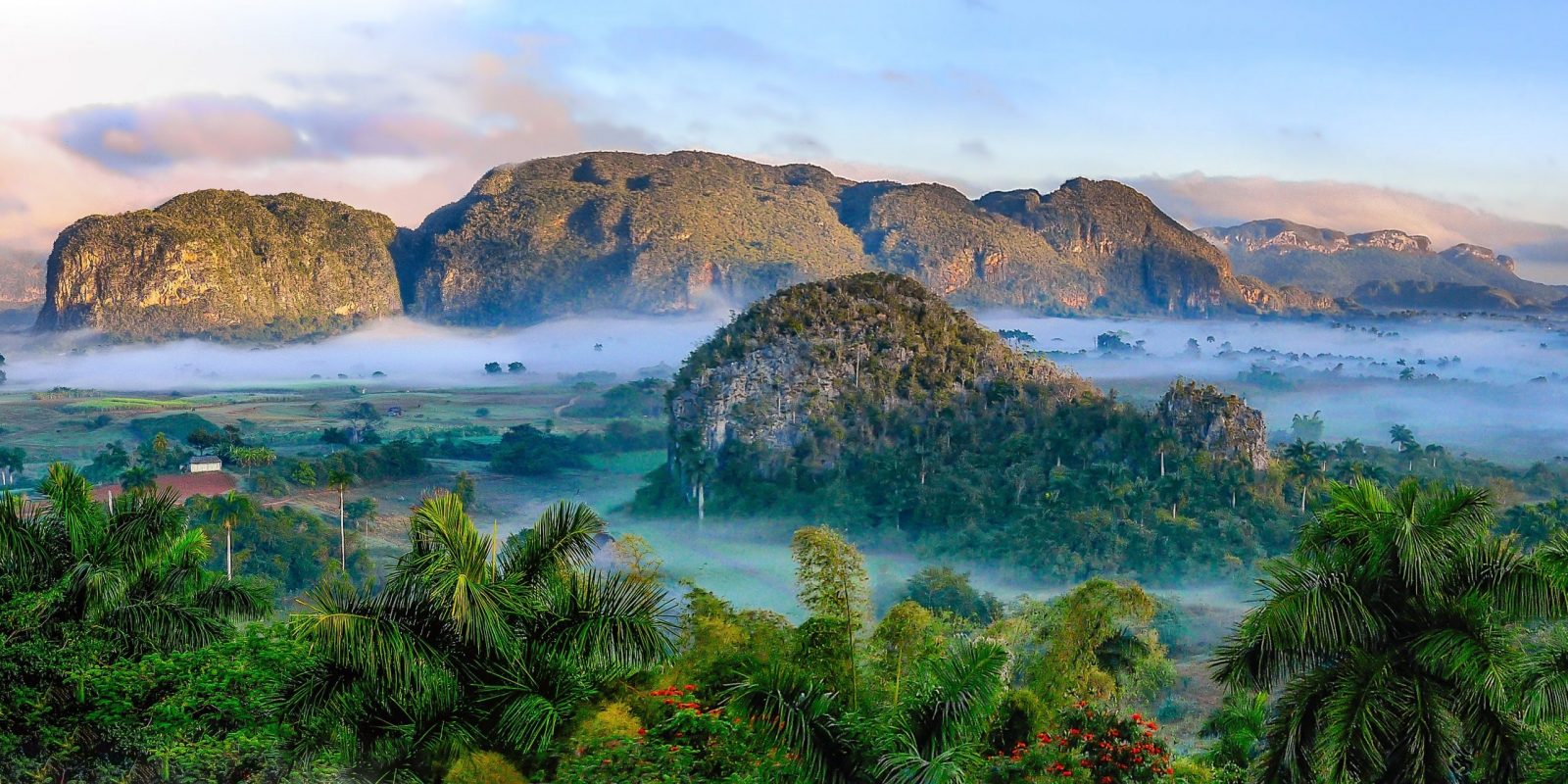
The Valle de Vinales (Vinales Valley) is another UNESCO World Heritage Site and arguably the most attractive part of the region. Come here to explore the large cave complexes which stretch across the area, or marvel at the mogotes (limestone monoliths) which rise upwards out of the flat ground. This beautiful valley is a hotspot for both hiking and relaxing.
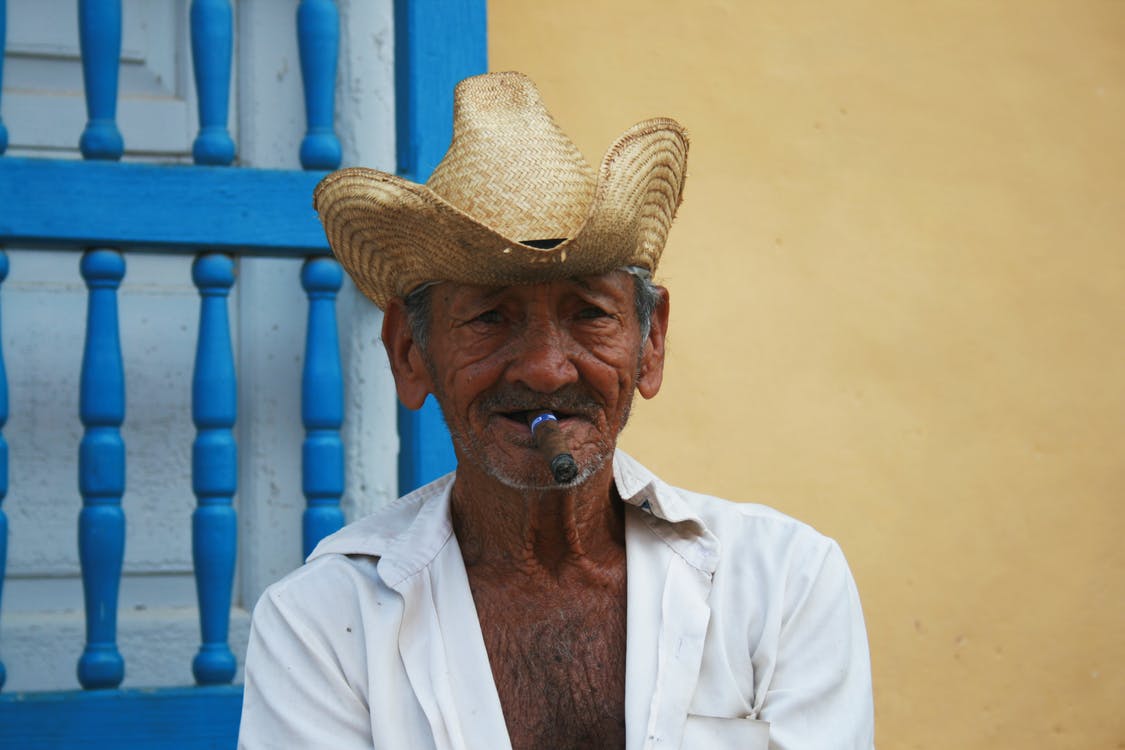
In the city of Pinar del Rio, you find a fascinating cigar factory. Visit the factory to see workers hand rolling the finest dark tobacco, and you’ll no doubt appreciate the great skill required to make the world-famous Cuban cigars.
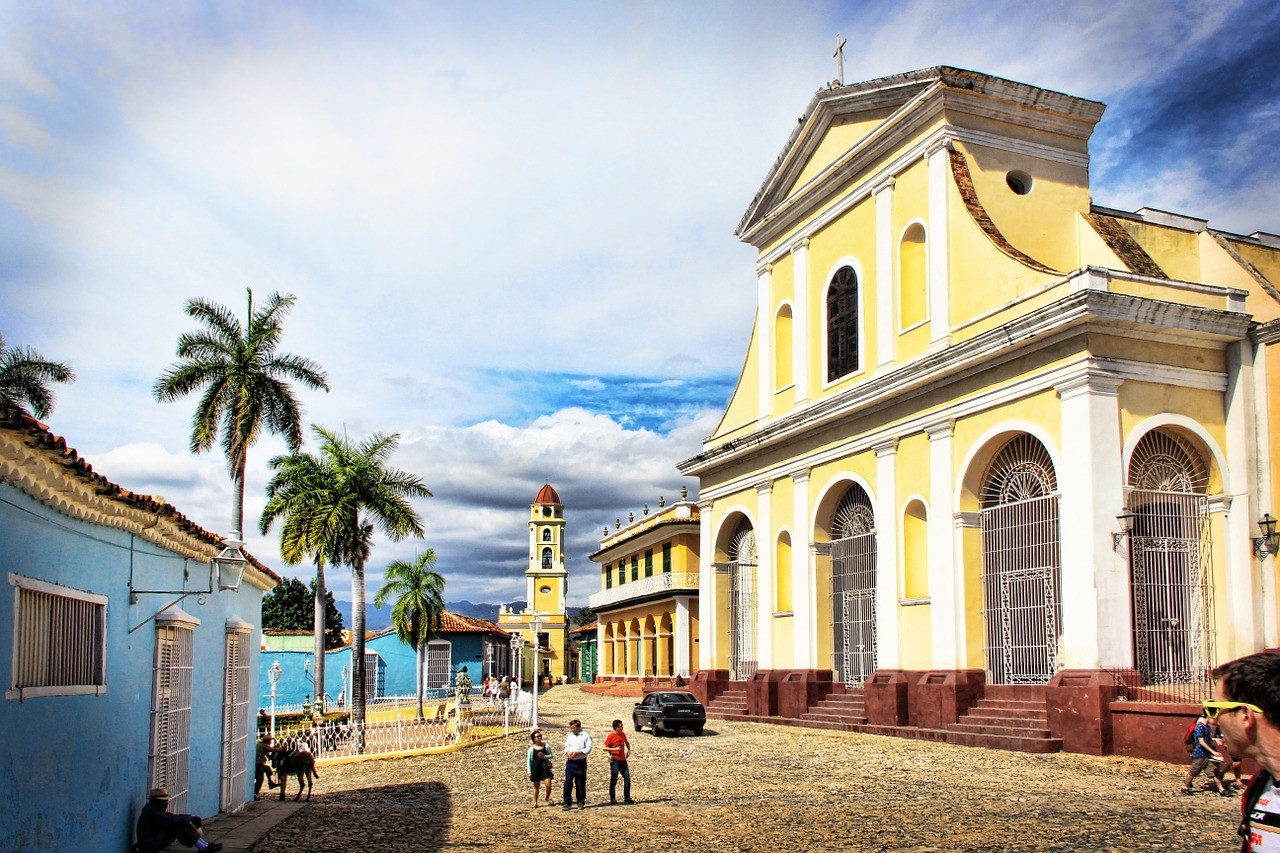
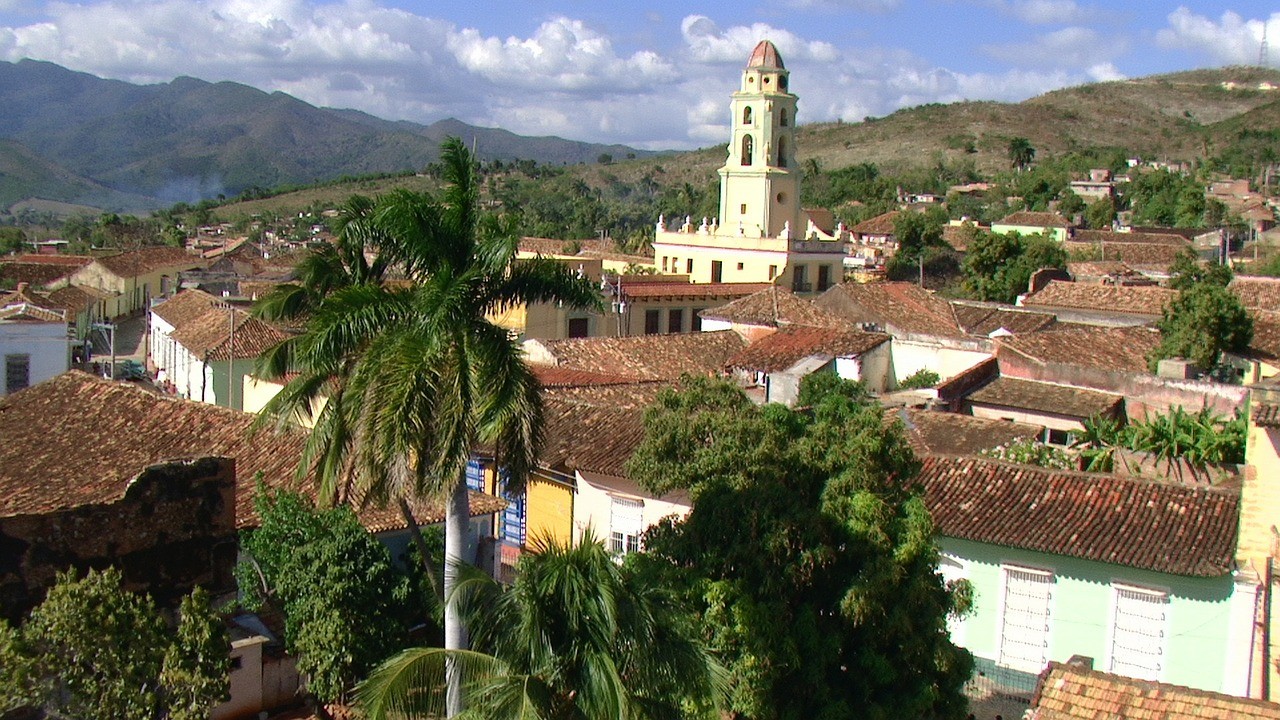
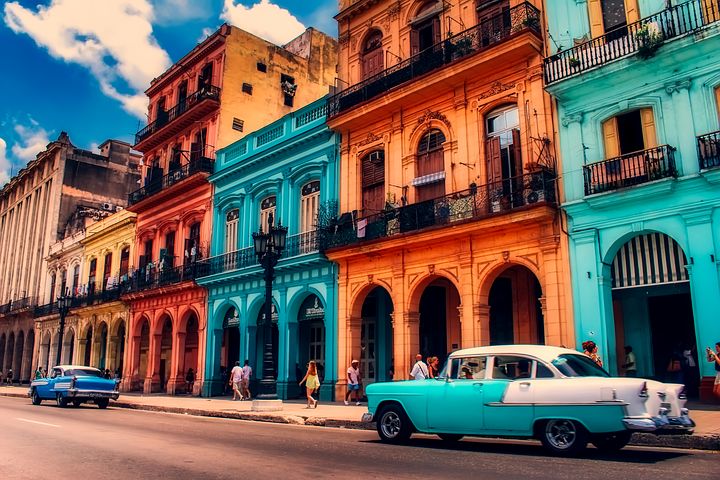
Built by rich landowners who made their money through the booming sugar and slave trades in the 19th century, Trinidad’s centre also reflects the more shameful aspects of colonial history. Yet because Trinidad’s founders spared no expense when building it, the town remains arguably the most beautiful of its kind in the country.
On a walking tour around the centre, you see some of the finest relics of the colonial era. The former palaces in the area are now museums. These include the Casa Cantero sugar palace (now Museo Histórico Municipal), where you discover frescoed walls, Baccarat crystal, marble statues, and lavish furniture.
The best places to eat in Trinidad are the paladres. More and more of these privately-owned restaurants are opening as a result of Cuba’s new enterprise laws. So when it’s time to eat, there are many places to sample the delicious local cuisine.
On the north of Trinidad, the cobbled streets make way for countryside. Here you get the chance to go horse riding or hiking in and around the Escambray mountains. Brimming with waterfalls, coffee bushes, and tropical birds, the mountains are a must-see for nature lovers.
12 kilometres outside of Trinidad, the Valle de los Ingenios (Valley of the Sugar Mills) offers a real sense of the area’s colonial history. Climb aboard an antique steam train to get from Trinidad to the Valley. The train stops at the former slave-watching tower, which is a great spot to take in breath-taking views of the rolling hills, royal palms and waving canes.
Varadero
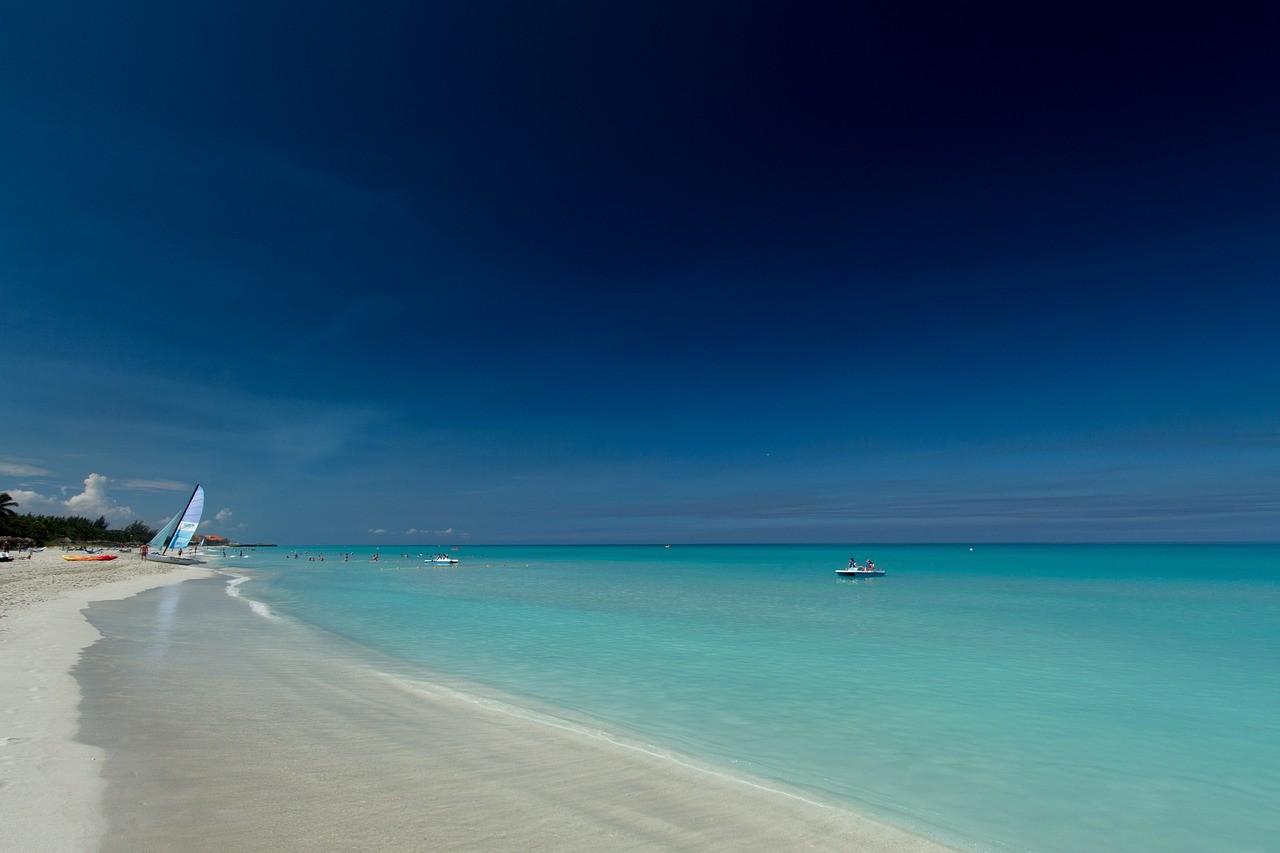
Varadero was the holiday destination of choice for US celebrities in the 1920s. And its sparkling blue waters, white sandy beaches and location on a 25-kilometre-long peninsula make it easy to see why Varadero is still Cuba’s number-one beach resort.
If you’re looking for the perfect package holiday, Varadero is home to a host of hotels, restaurants, and activities to choose from. Despite its popularity, the resort’s large size means it never gets overcrowded.
Playa Ancon
Boasting glittering sands that arc around turquoise sea, Playa Ancon is one of the most beautiful stretches of sand on the south coast of Cuba. It’s a wonderful starting point for snorkelling or diving adventures around the coral reefs.
Guardalavaca
Arguably the prettiest beach resort in Cuba, Guardalavaca is packed with tropical flora and fauna, glittering white sands and transparent turquoise waters. Here, you discover a number of cove beaches dotted along the coastline, as well as some of the finest resort hotels in the country.
Santiago De Cuba
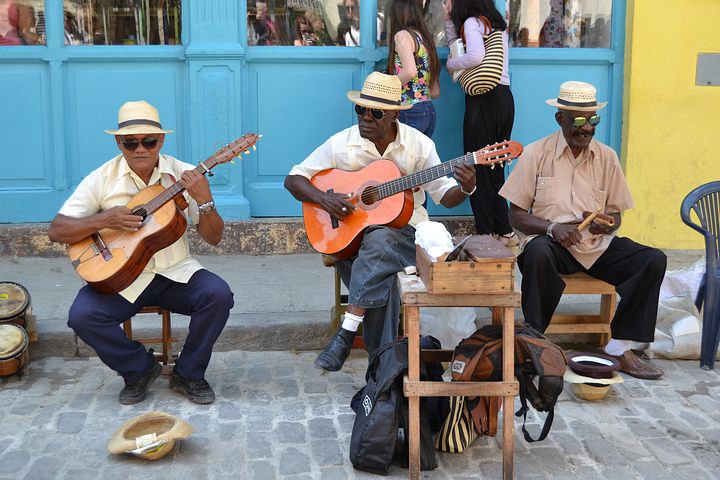
Sitting in a beautiful bay on the southeast coast, Santiago De Cuba is a famous for its colonial buildings, and for its role in the Cuban Revolution between 1953 and 1959. A bustling cultural melting pot, Santiago De Cuba is the birthplace of ‘son’, an Afro-Cuban style of music and a precursor to salsa. The area is the perfect destination for music and history lovers.