
But despite Tokyo’s love of pop culture, high tech and high fashion, its strong ties with tradition lie just beneath the surface.
People come from all over the globe to see Tokyo’s peaceful shrines, colourful temples and sprawling parkland, while its immaculate landscape gardens really are a sight to behold.
The towering skyscrapers stand beside the serene former Emperor’s palace to create a real sense of Japan’s imperial past, intertwined with a host of modern delights.
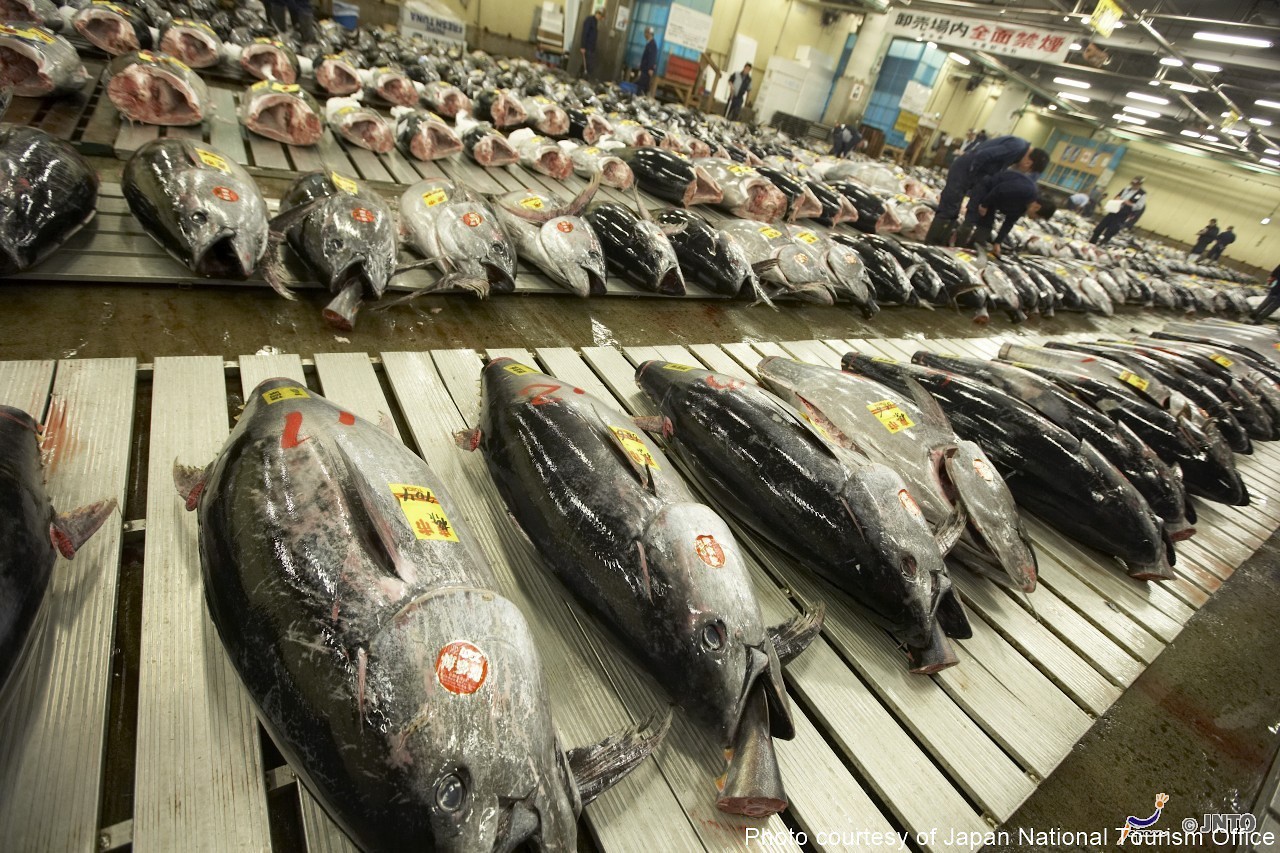
The city’s Ginza district is brimming with high-class restaurants, first-class department stores and boutiques, while also home to Tsukiji, the world’s largest fish market. Here, traders handle over 2000 tons of fish every day. Take time to wander through this huge market, explore the fruit and veg areas, and the browse the bustling seafood section.
Visit Asakusa, Tokyo’s old town, and soak in the atmosphere of the old city. Take a relaxing boat cruise on the Sumida River. And for a bird’s eye view of the capital, climb up Tokyo Tower or the Metropolitan Government building.
No trip to Tokyo is complete without going to see Sensoji temple or the Meiji Shrine. As two of Tokyo’s most famous places of worship, both offer you a rare vision of an ancient mystical world.
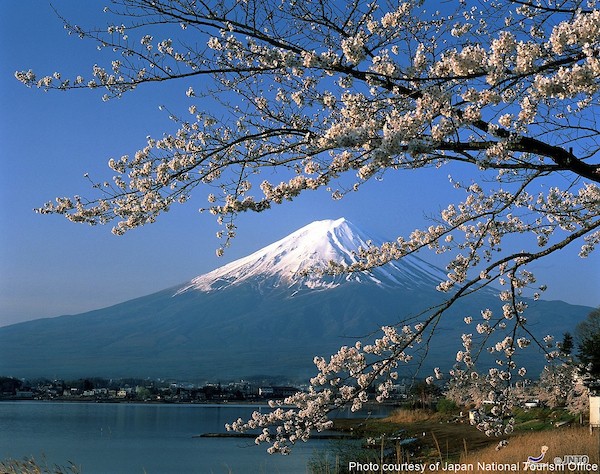
sacred Mount Fuji. Natural hot springs (onsen), streams and mountains dot this stunning landscape.
Discover the beautiful gardens and art museums. Indulge in some of the many outdoor activities on offer, or immerse yourself in local culture with a stay at one of the traditional Japanese inns (ryokan).
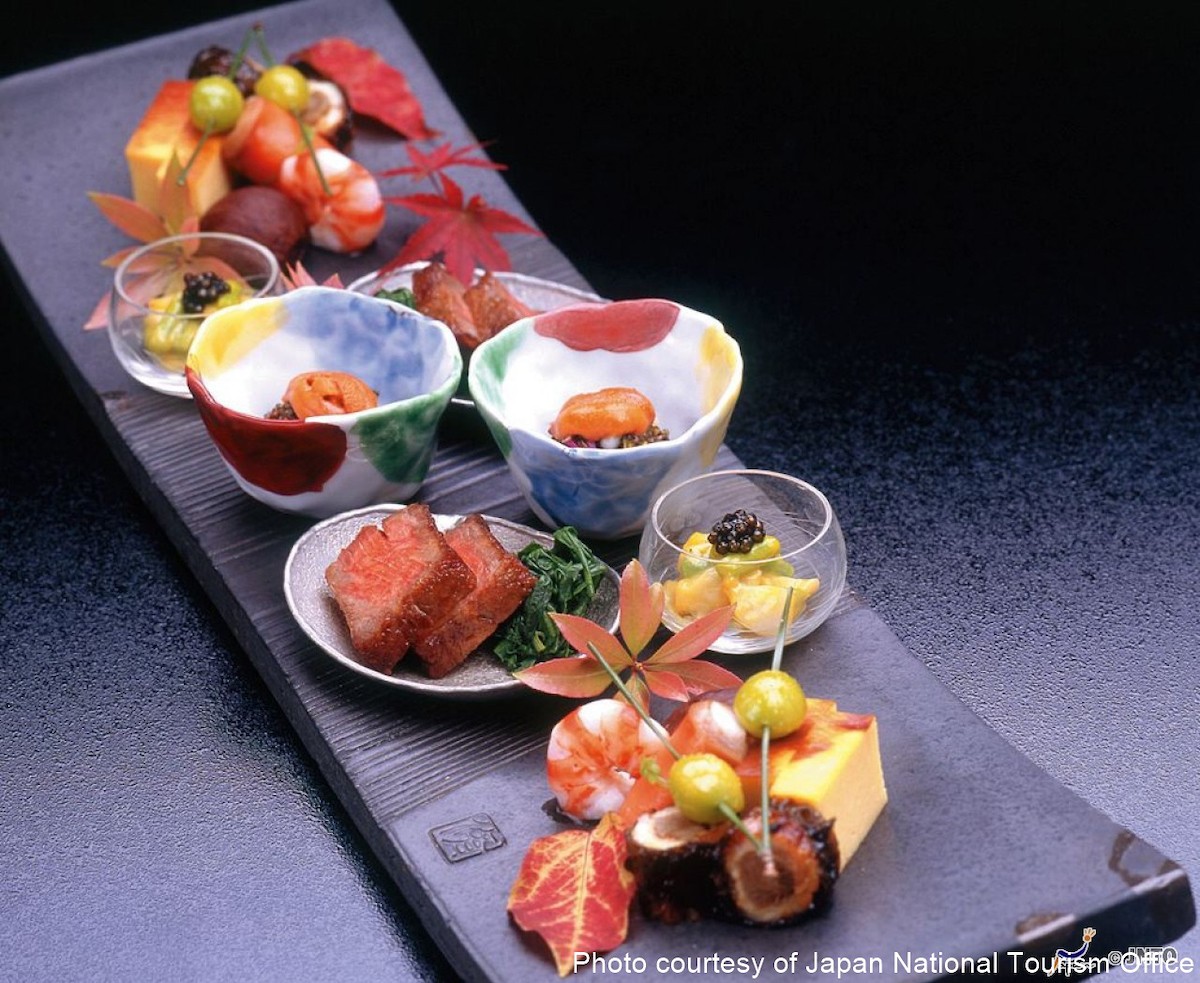
The ryokan come complete with tatame floors and futon beds. You’re given a yakata dressing gown to wear. And in the evening, you indulge in multi-course kaiseki dinners. The minimal feel and tranquil air help you relax, get close to nature, and recharge your batteries.
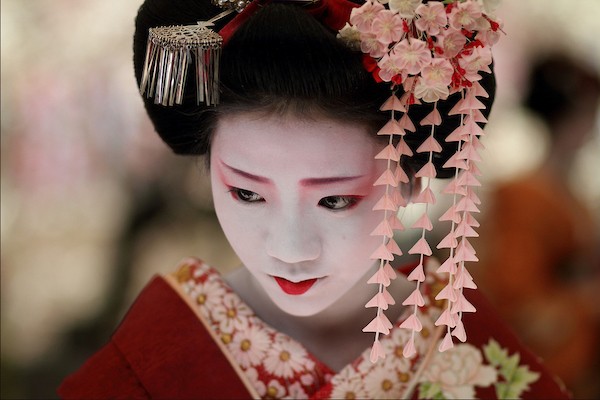
Stroll around Kyoto to discover the many joys of its World Heritage Sites. Go past the old wooden buildings and teahouses as you wander through the old streets of the city’s Gion district. This is one of the only places in Japan where it’s possible to cross paths with a real Geisha. Here, you may catch sight of one these elegant ladies in her pristine kimono and wooden sandals, as she drifts between one teahouse and the next.
Explore Nishiki market, take part in a traditional tea ceremony, eat in an exclusive restaurant, or build your culinary skills with a Japanese cooking class. Visit nearby Nara with a short train ride from Kyoto. Marvel at some of Japan’s largest and oldest temples within a picturesque park that’s also home to around 1200 deer.
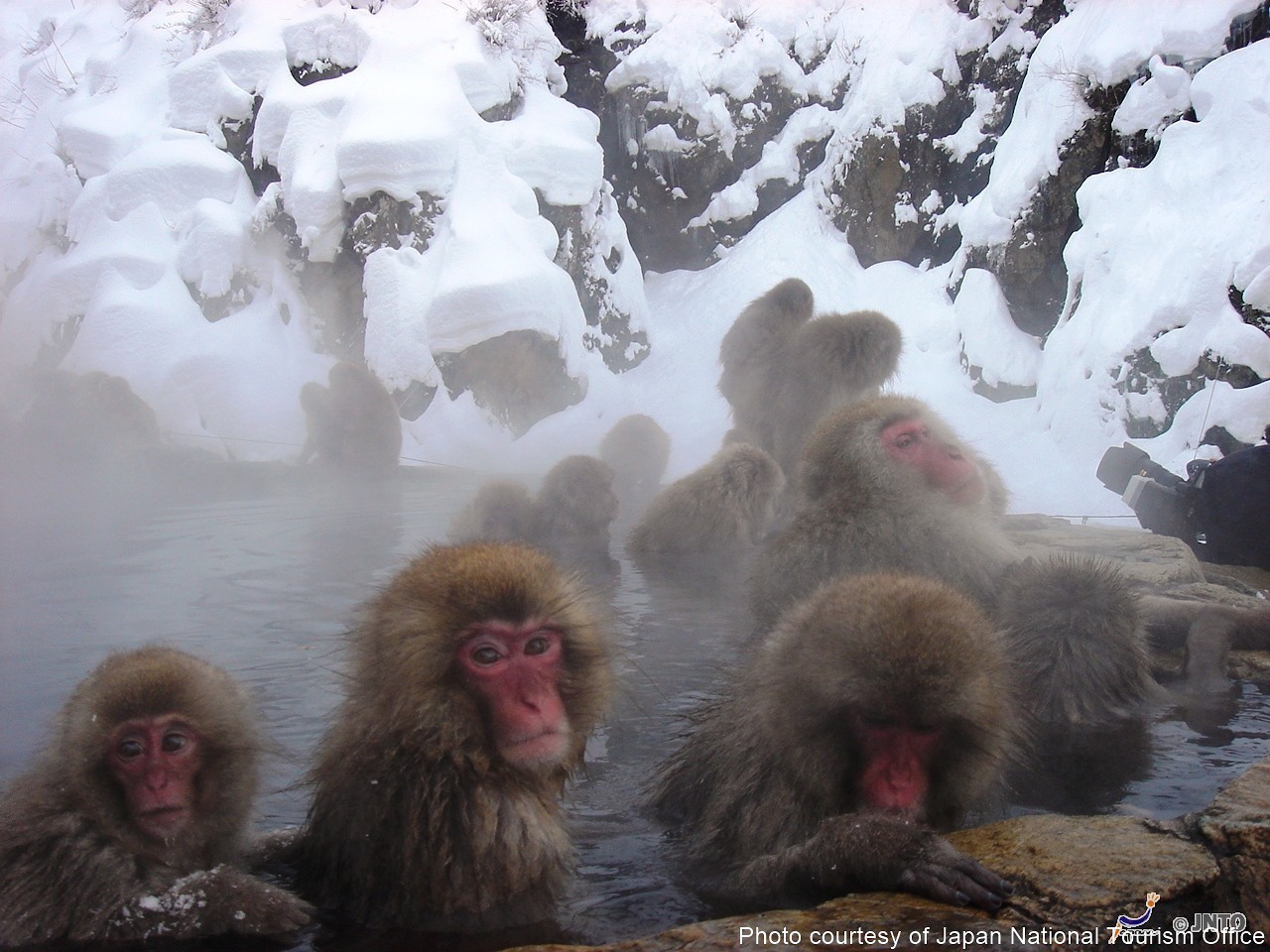
The nearby town of Yudanaka is famous for its Japanese macaques. These wild snow monkeys hop down from the snowy mountains to bathe in the hot springs down below.
Visit Takayama, a World Heritage Site teeming with craft shops, museums and ancient wooden buildings. Sample some of the best culinary treats in the region, and take a relaxing stroll through swathes of cherry blossom trees (when in season).
Kanazawa is within easy reach of Takayama and Kyoto. As one of Japan’s best-preserved historical cities, it boasts a samurai quarter with a canal and lovely narrow streets that sit below the former site of Kanazawa Castle.
People here often refer to Kanazawa as “Little Kyoto” – and you’ll soon see why! It features an elegant geisha district and pristine traditional gardens. And just like Kyoto, Kanazawa gives you a true glimpse of old-world Japan.
Shirakawago is another mountain town and World Heritage Site that retains the essence of Japan as it was hundreds of years ago. Here you see a wealth of thatched cottages (known as ‘gasshozuki’) for another taste of the distant past.
Across from the dome is Peace Memorial Park, another World Heritage Site built on a field created by the effects of the bomb. Despite this, the park is very peaceful and a great place to reflect and clear your mind.
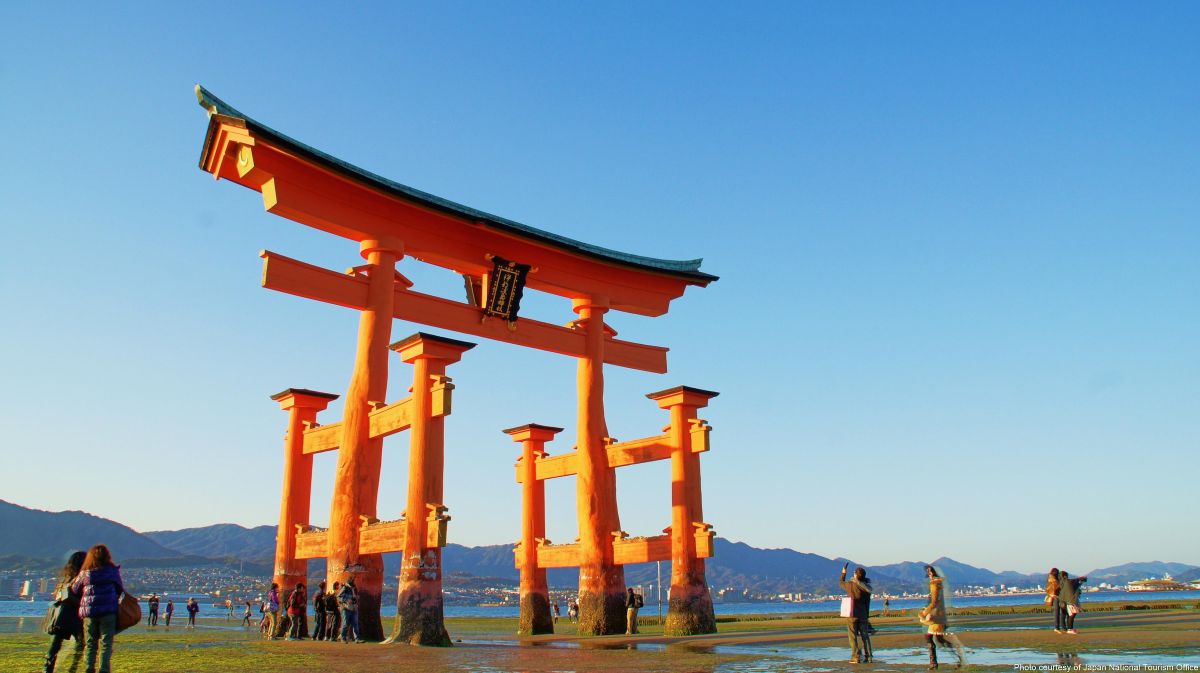
Hiroshima acts as a gateway way to nearby Miyajima, a wooded island with some of the most amazing scenery you’ll ever see in Japan. Here, you find the Floating Torii Gate, perhaps Japan’s most photographed site.
The Floating Torii Gate is also one of the country’s three UNESCO “Special Places of Scenic Beauty”. In its current form, the shrine was built the 16th century, but the design dates back to 1168.
Here, you see gem-like fish darting around the rich coral reef. Miles of pure, white sandy shoreline make the islands a beach-lover’s dream. This, combined with a sub-tropical climate, makes Okinawa a wonderful place to visit for most of the year.
At different points in its history, Okinawa has been under Chinese and US rule, as well as a country in its own right. This gives the islands a unique blend of cultures you won’t find anywhere else in Japan. With their treasure troves of breathtaking scenery, unique culture and food, the Okinawa Islands are a must-see.