

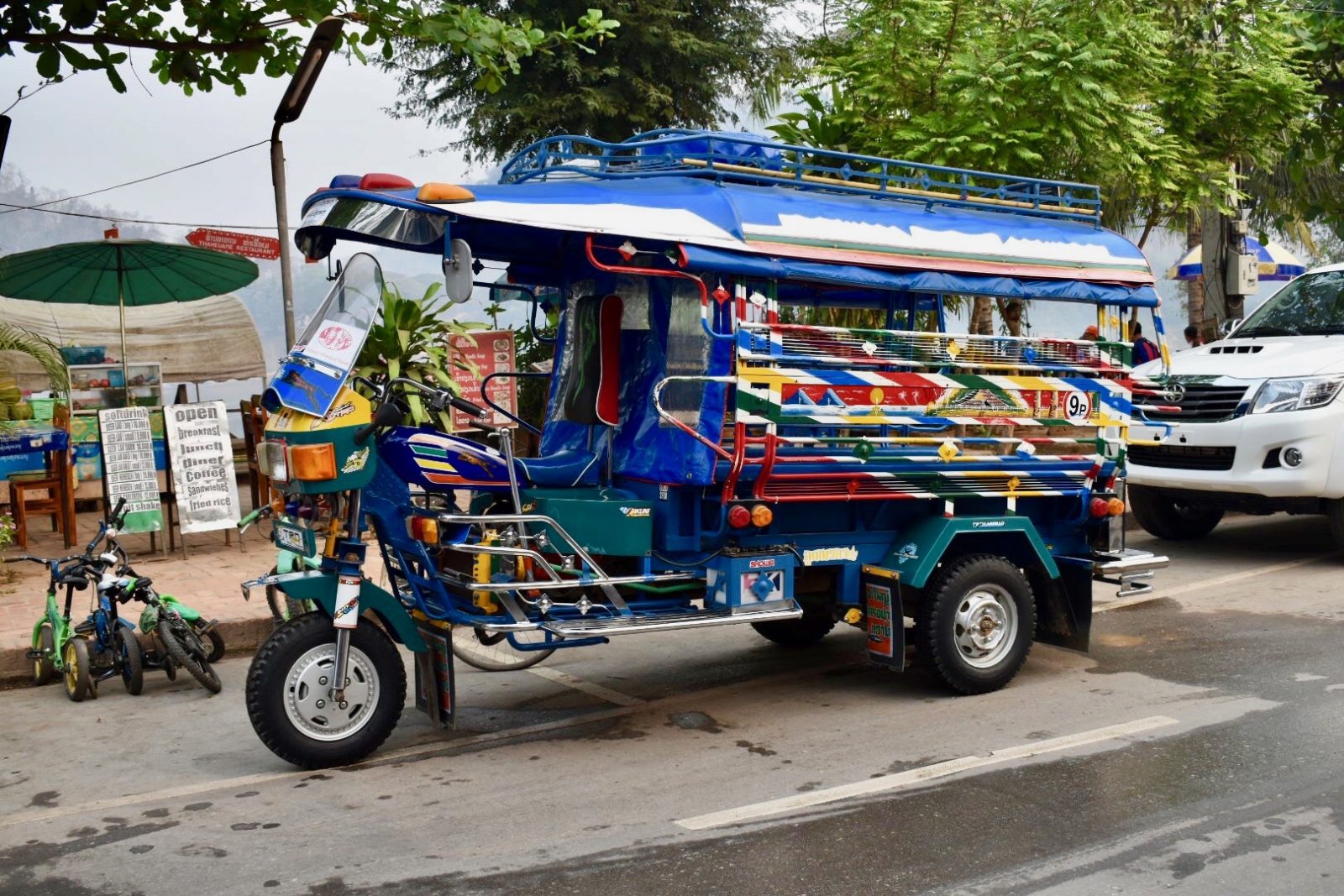
Discover some of the priceless monuments around the old city, before heading into the countryside around it. Here, you discover deep blue waterfalls and terrain that’s perfect for trekking, kayaking, or just staring in awe at the gorgeous views.
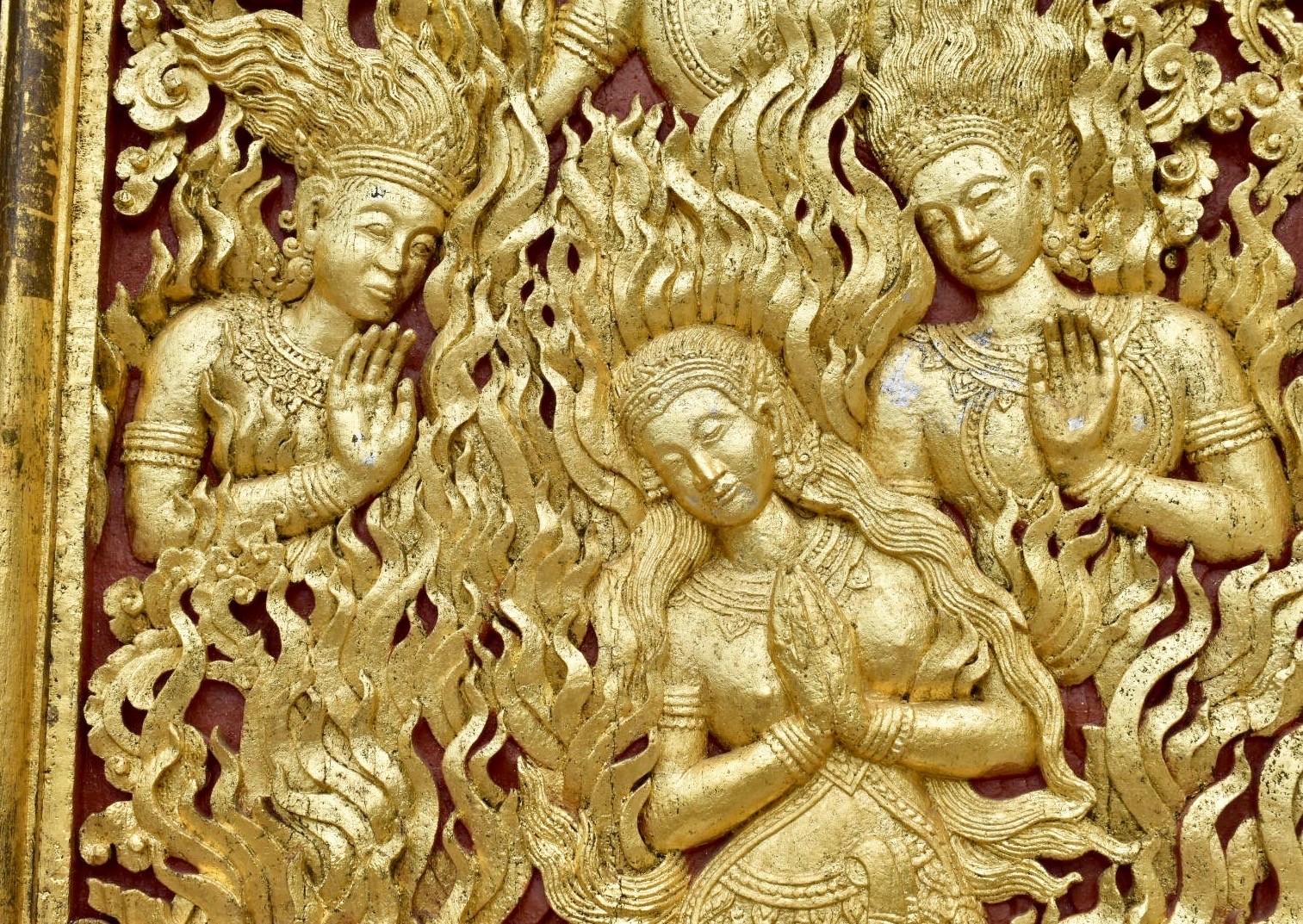
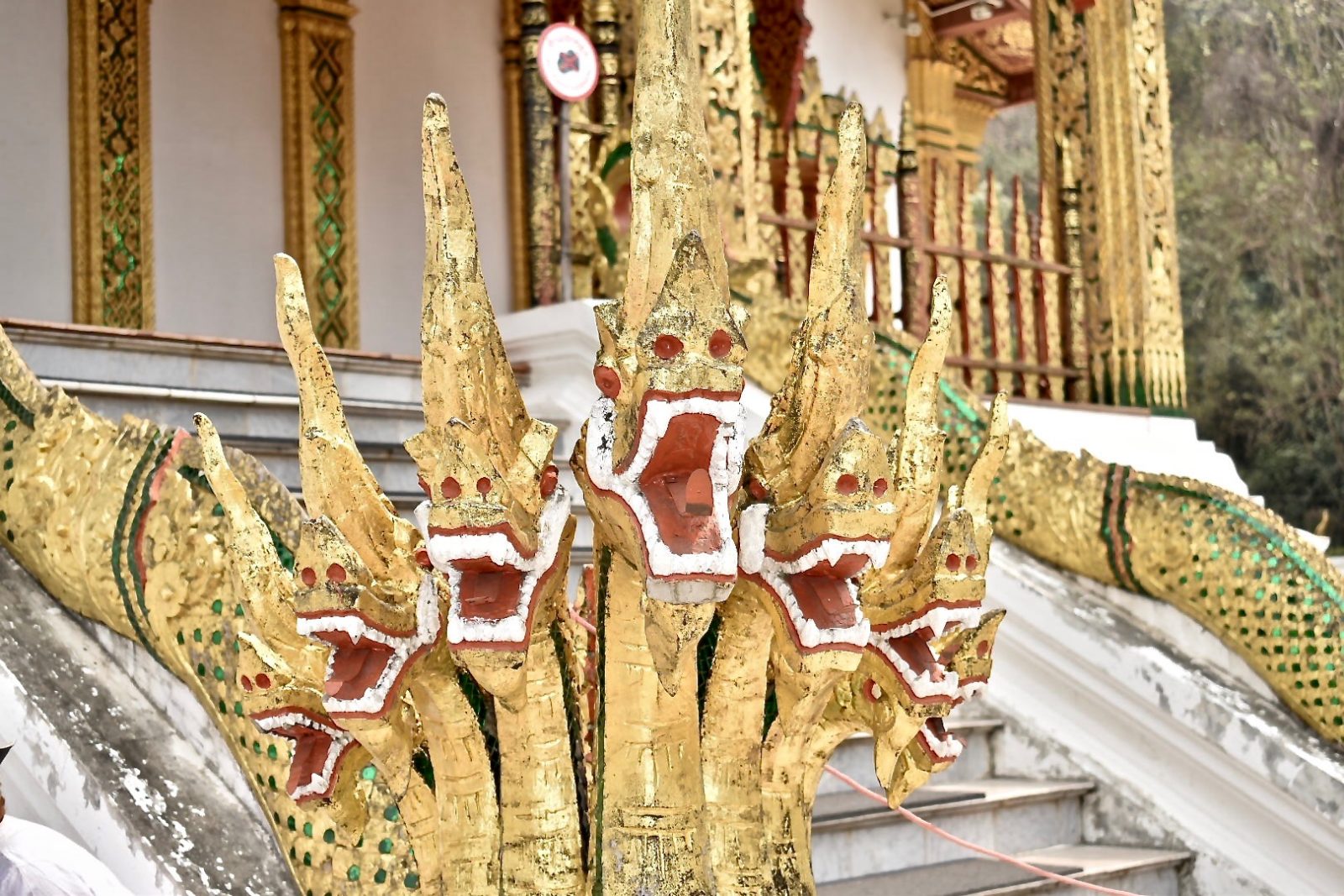
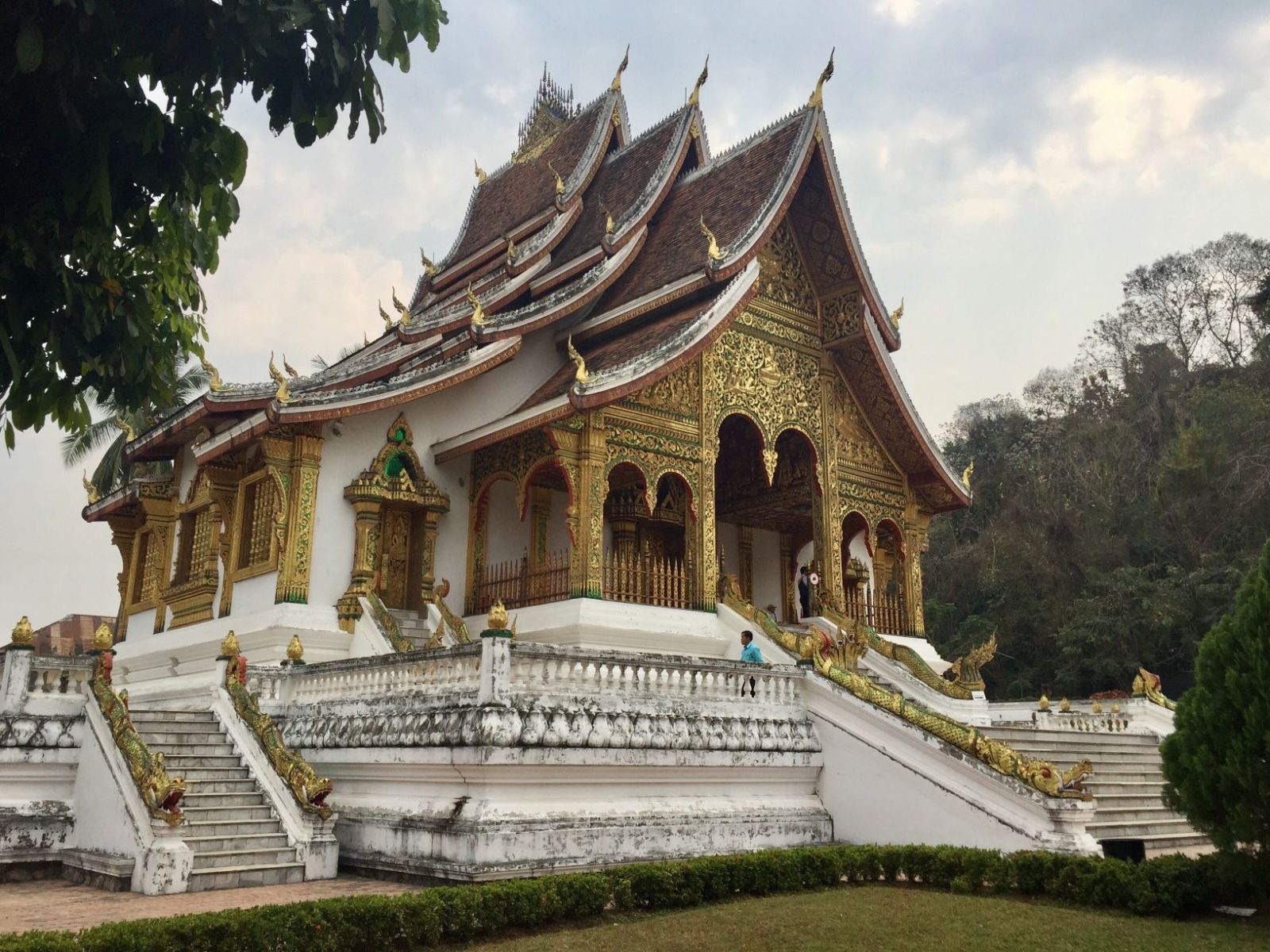
Visit the Royal Palace Museum on the grounds of a former king’s home. Move on to Wat Xieng Thong, one the city’s most revered golden temples. Soak in the ancient culture and breathe in the peaceful atmosphere.
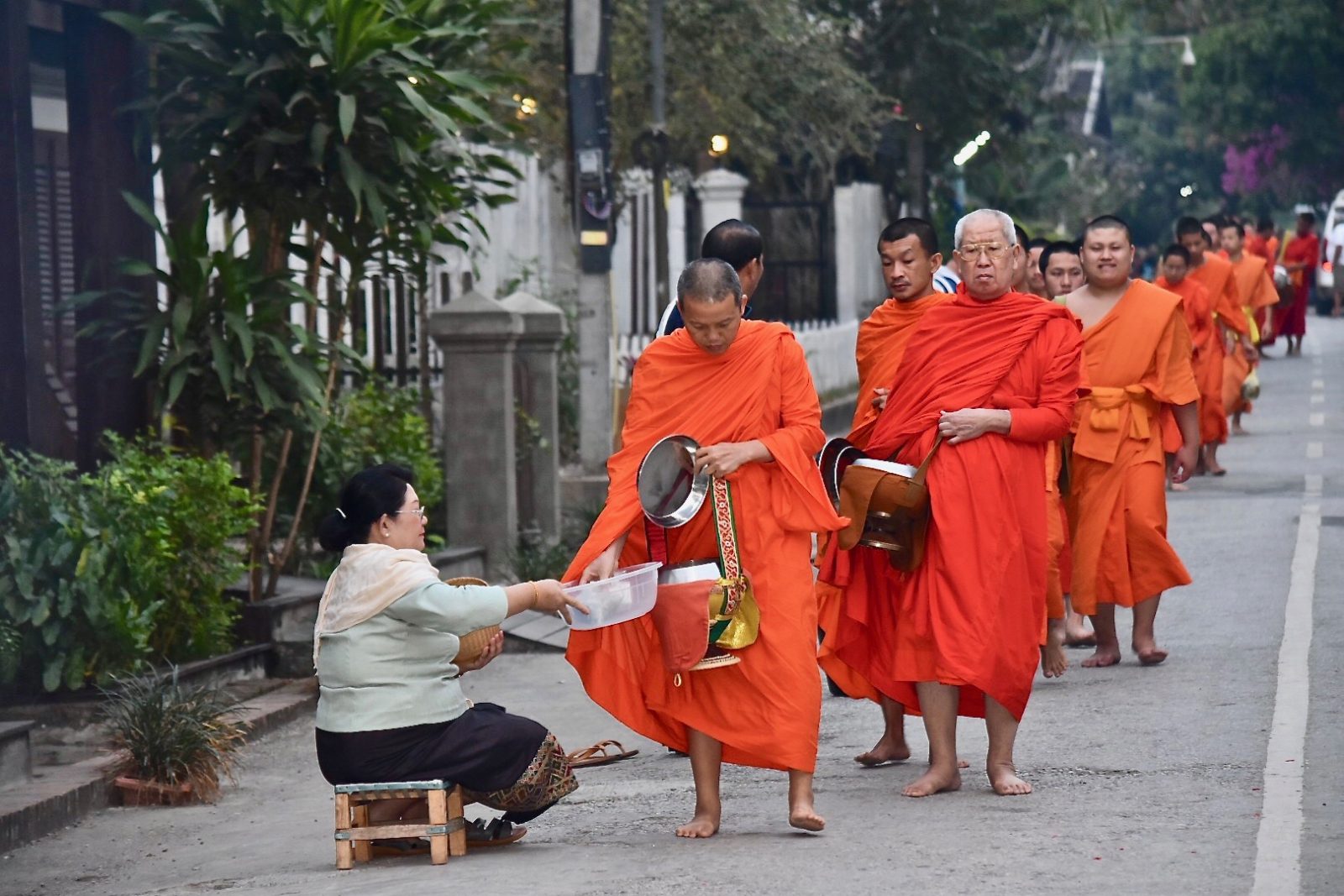
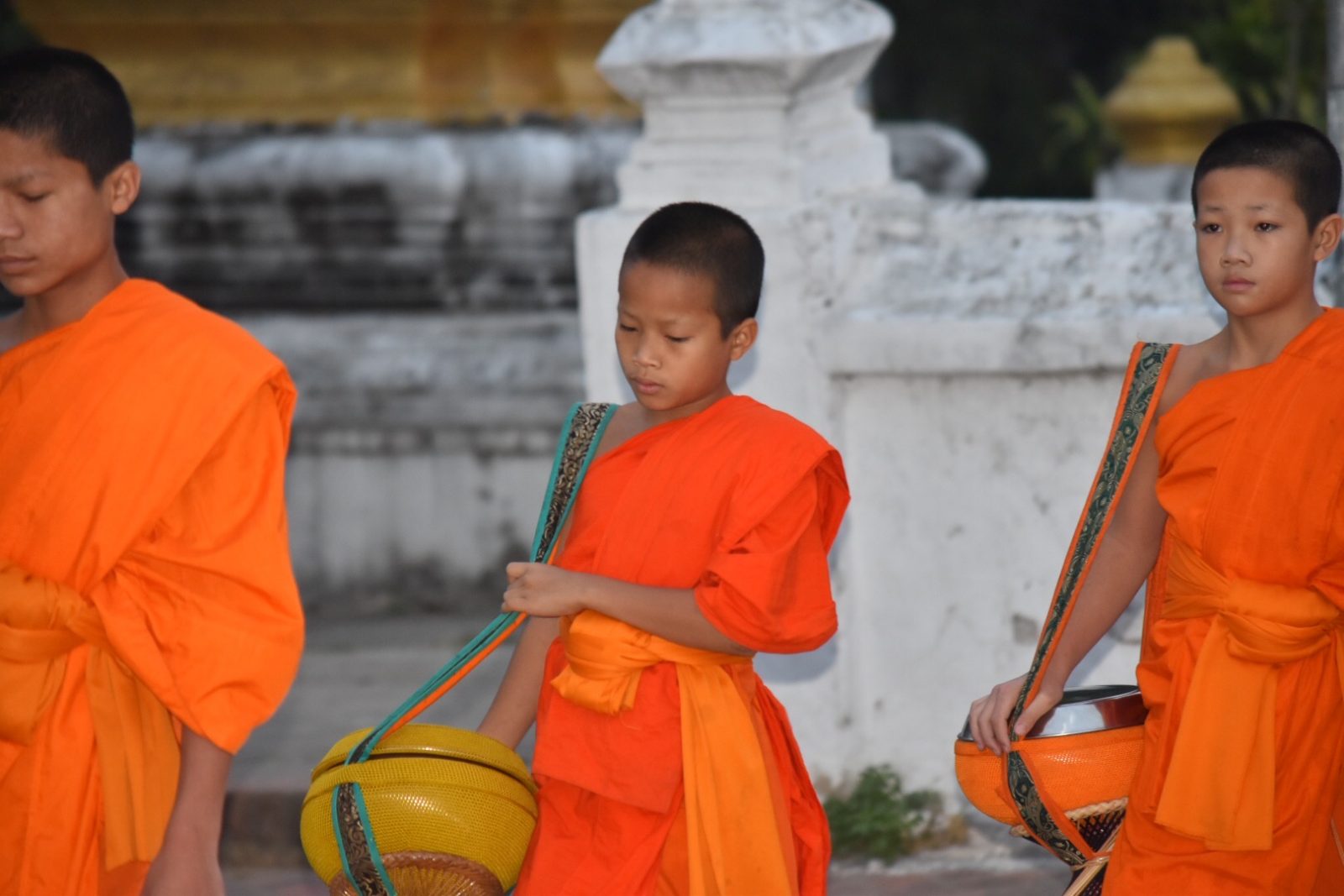
For a truly memorable sight, go to watch the Tak Bat (a Buddhist alms-giving ceremony), an ancient morning tradition and a big part of everyday life here in Luang Prabang. You observe hundreds of monks in their saffron robes drifting silently through the streets collecting alms (offerings of food). This spiritual custom has deeps roots in Laos’s exquisite, colourful culture.
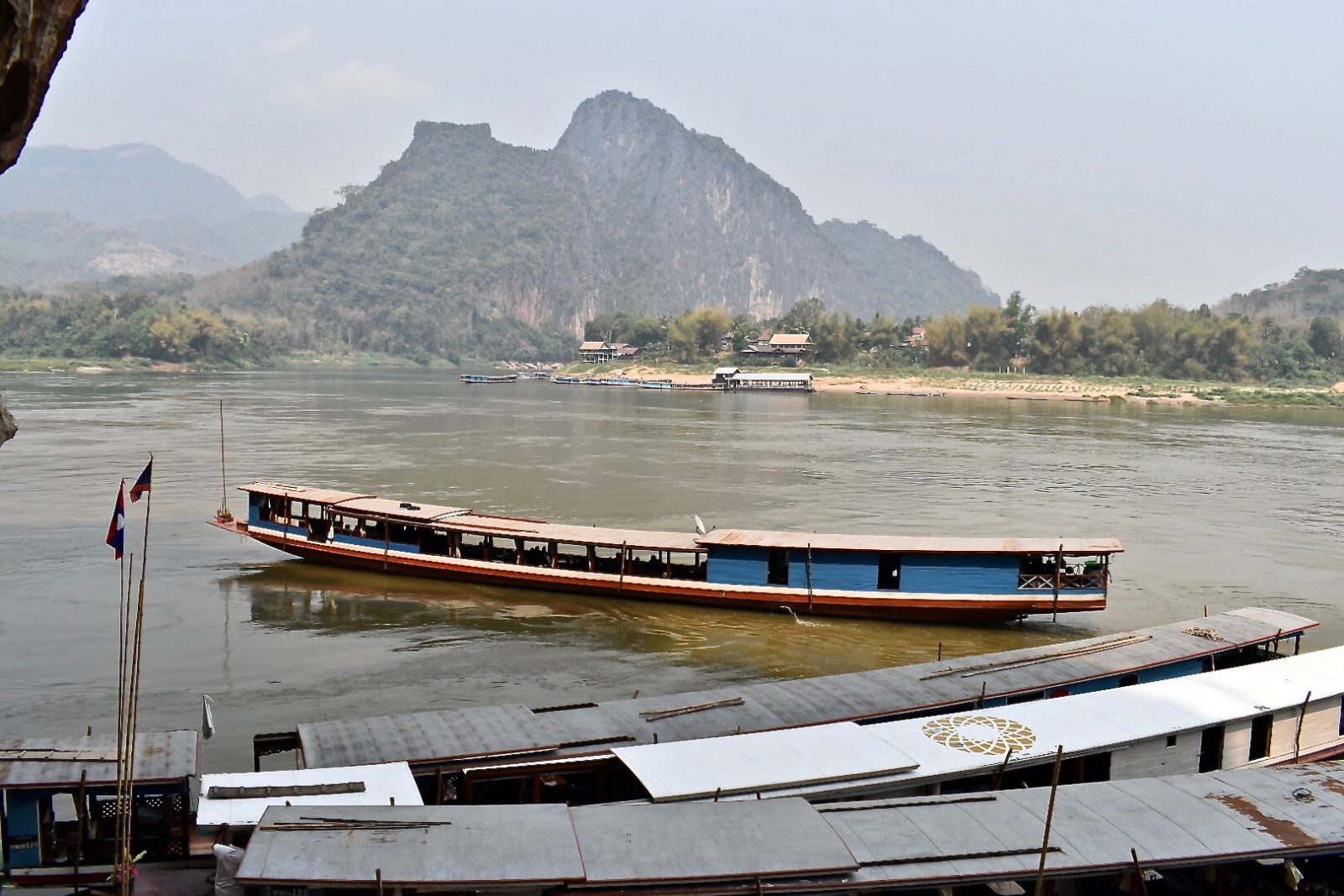
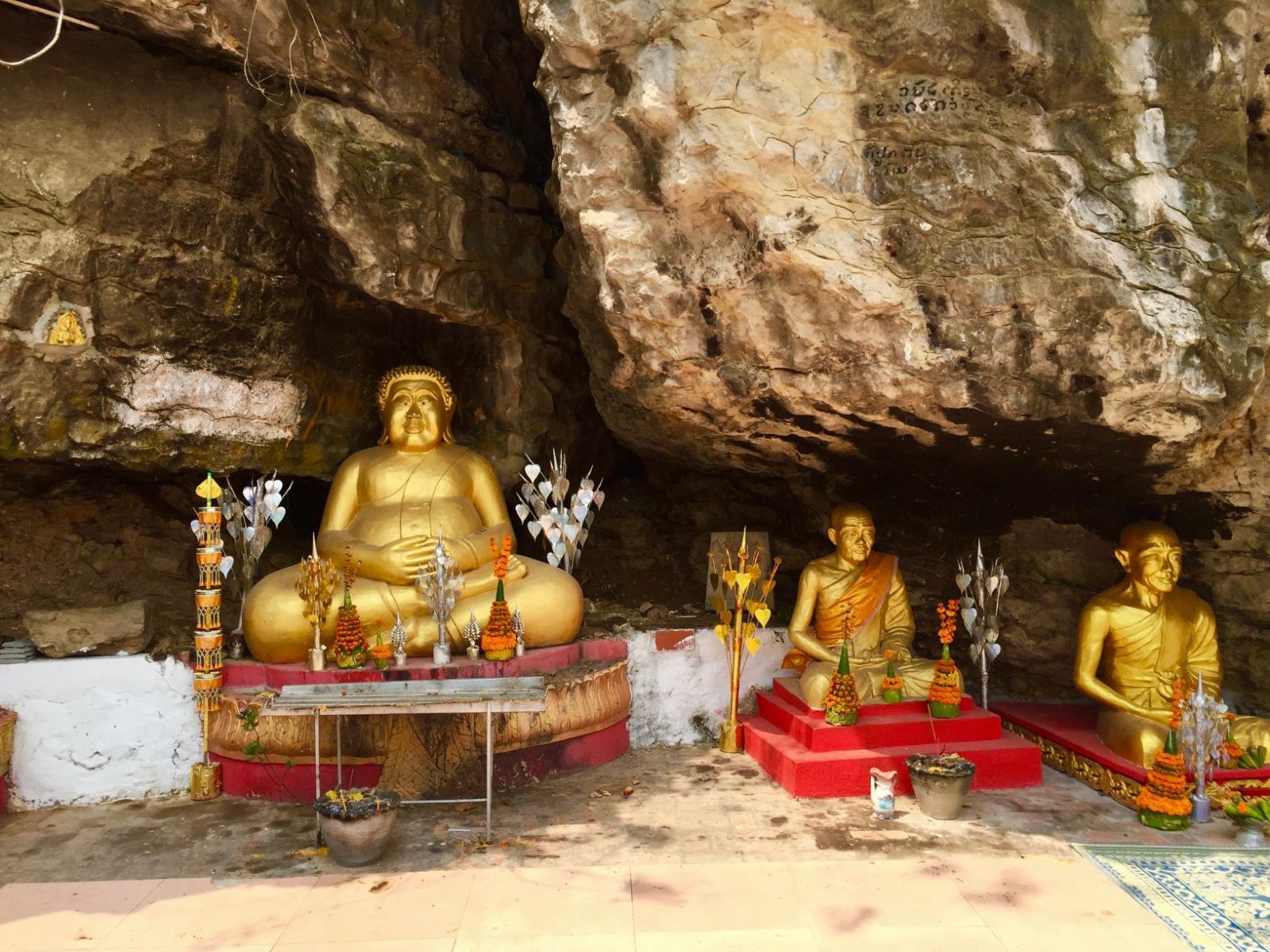
Cruise down the Mekong River on a boat trip to see the holy Pak Ou caves. Here you see thousands of Buddha statues in different positions of worship. Locals have been laying these tiny figures at the caves ever since the 16th century, when King Setthathirat declared the site a holy shrine, making it among the most prized religious symbols of the Luang Prabang province.
End your time here at the pretty Kuang Si Waterfalls, and take a refreshing dip in the crystal-clear, natural pools.It’s easy to see why many consider a visit to Luang Prabang to be the high point of their time in Laos.
Luang Prabang
Hakone and Mount Fuji
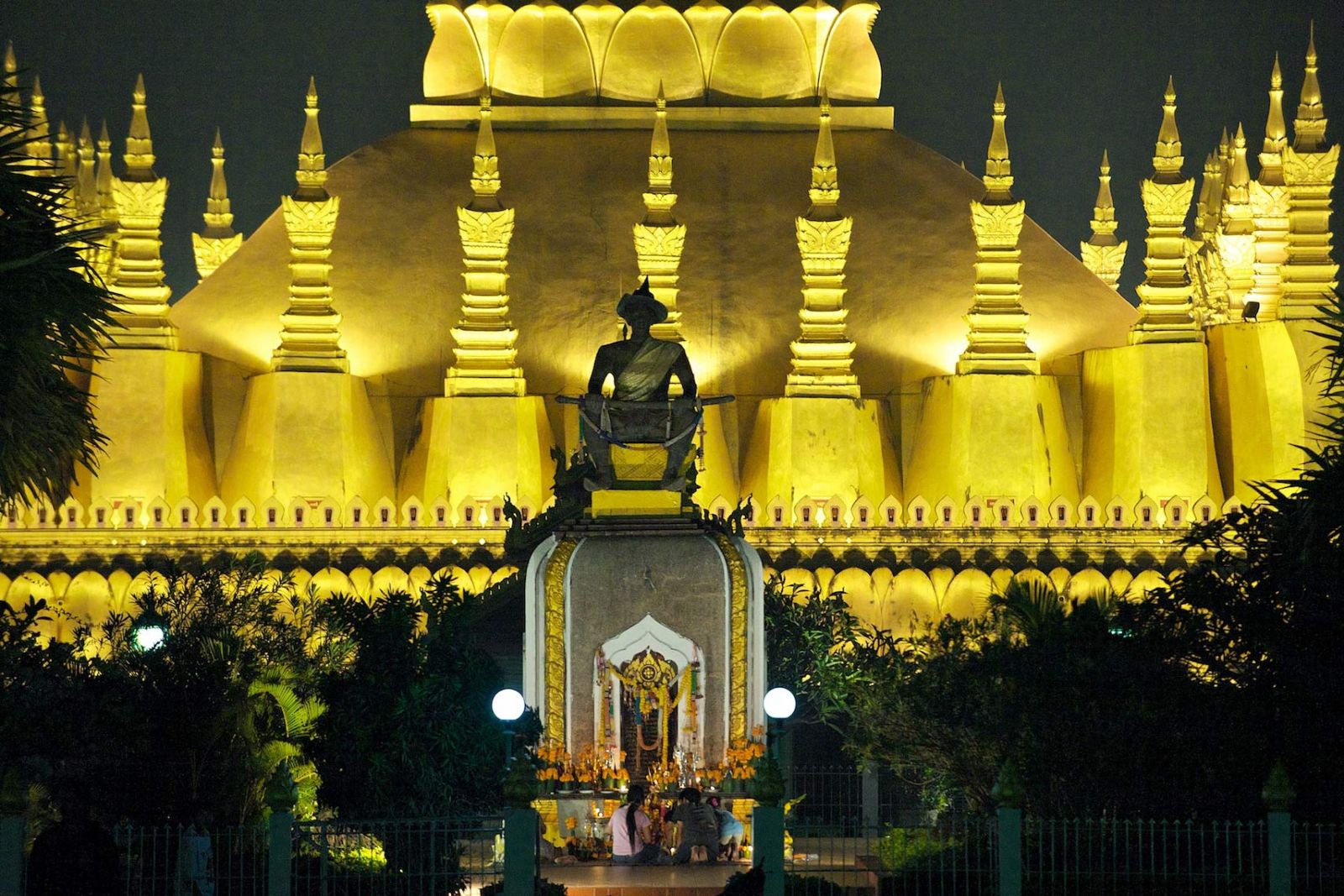
Vientiane sits on the northern bank of the Mekong River and is one of Southeast Asia’s most endearing capital cities. The delightful combination of 16th Century temples, coconut trees, tranquil coffee culture and sleepy pace of life make Vientiane a true gem of Southeast Asia. Vientiane is wonderful place to get your first taste of Lao cuisine and culture. Come here to see old French colonial-style mansions, tree-lined boulevards and pristine temples.
Spend a day wandering the streets in search of many marvellous monuments dotted around the city. Sitting amongst the bakeries, boutique hotels, craft shops and restaurants are striking temples and a host of architectural gems.
Vientiane’s small size adds to its wealth of simple pleasures and laidback feel, with none of the hustle and bustle you find in many other capital cities across the world.
The Bolaven Plateau is famous for its mass of bright green vegetation, dramatic waterfalls, and unexplored corners. Many consider Tad Fane and Dong Hua Sao (aka Taat Fang) to be the most spectacular waterfalls in the whole of Southeast Asia.
In Champasak, you find ‘Si Phan Don’ (also known the 4000 Islands) dotted across the Mekong River. This is where you see these waterways at their most striking.
Across from the dome is Peace Memorial Park, another World Heritage Site built on a field created by the effects of the bomb. Despite this, the park is very peaceful and a great place to reflect and clear your mind.
Hiroshima acts as a gateway way to nearby Miyajima, a wooded island with some of the most amazing scenery you’ll ever see in Japan. Here, you find the Floating Torii Gate, perhaps Japan’s most photographed site.
The Floating Torii Gate is also one of the country’s three UNESCO “Special Places of Scenic Beauty”. In its current form, the shrine was built the 16th century, but the design dates back to 1168.
Here, you see gem-like fish darting around the rich coral reef. Miles of pure, white sandy shoreline make the islands a beach-lover’s dream. This, combined with a sub-tropical climate, makes Okinawa a wonderful place to visit for most of the year.
At different points in its history, Okinawa has been under Chinese and US rule, as well as a country in its own right. This gives the islands a unique blend of cultures you won’t find anywhere else in Japan. With their treasure troves of breathtaking scenery, unique culture and food, the Okinawa Islands are a must-see.