
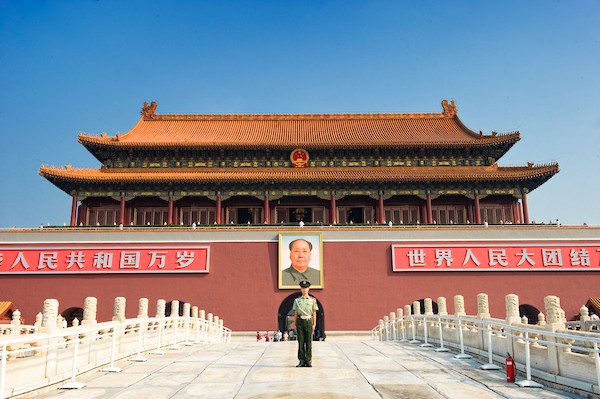

In the heart of Beijing, you find the Forbidden City, an imperial palace for 24 emperors during the Qing and Ming dynasties. Today, the gates of the Forbidden City lead to a fascinating display of Chinese history. Go through and you see what many believe to be the best-preserved examples of classical Chinese architecture.
Visit Tiananmen Square, the largest public square in the world. On the north side of the square, you see the Gate of Heavenly Peace. Chairman Mao declared the start of the People’s Republic of China from this spot in 1949.
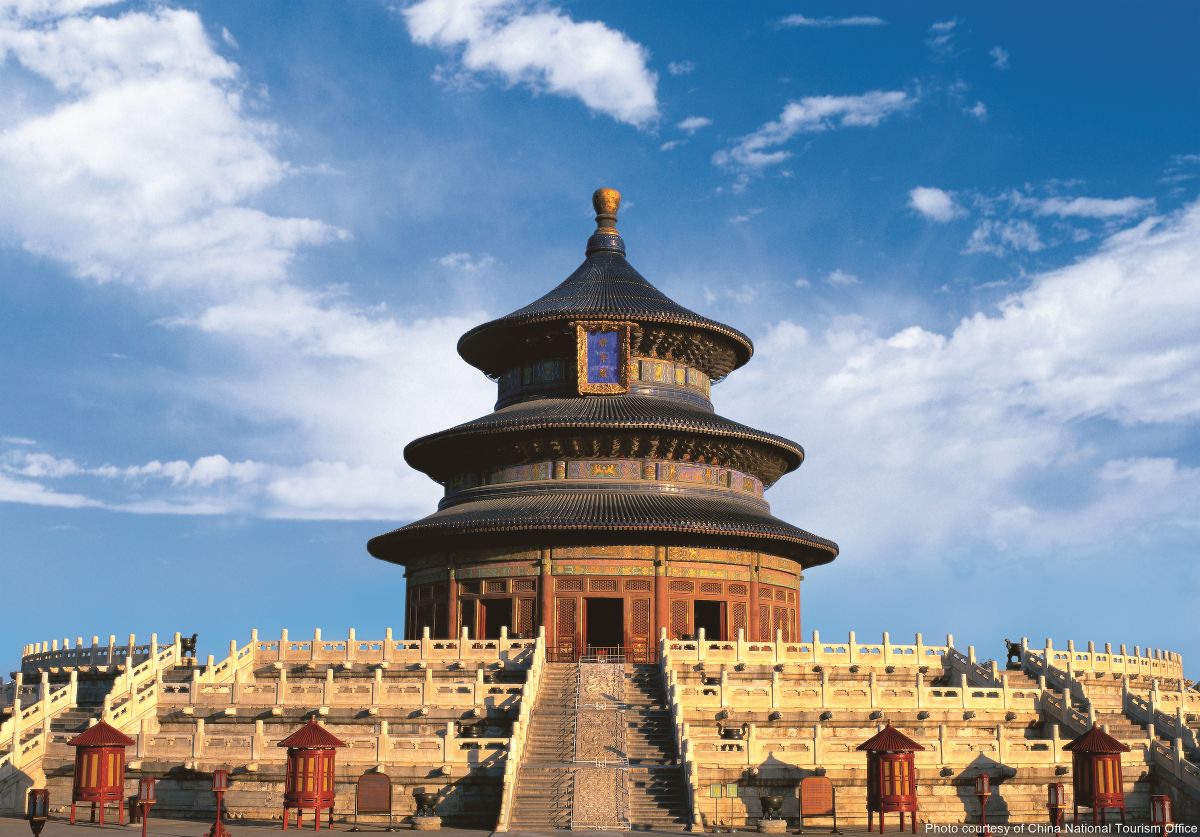
Take a short car ride to visit the Temple of Heaven. This lovely, peaceful temple is a fine example of imperial architecture and a sacred site for hundreds of years. It’s also China’s largest place of religious worship.
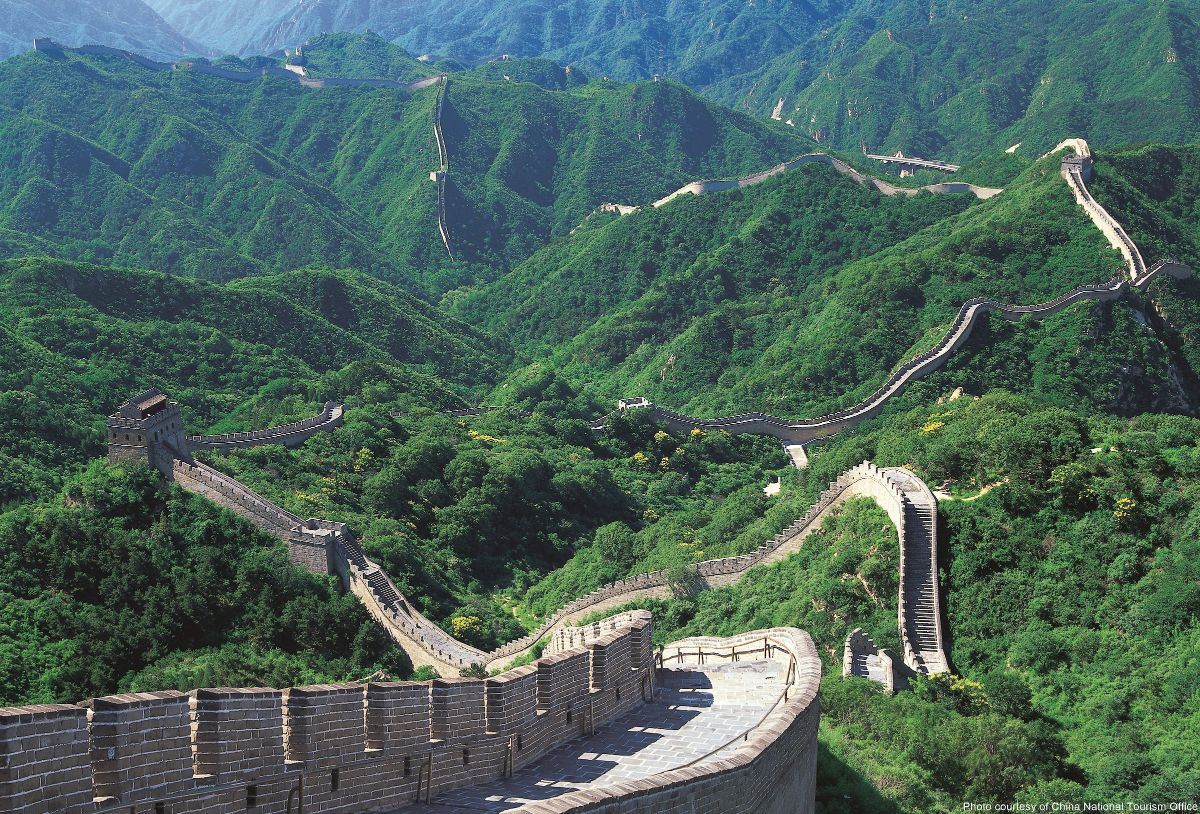
The Great Wall of China is one of the greatest wonders of the world, and a must-see on any trip to Beijing. Stand on top one of the ancient watchtowers and let your eyes wander towards the skyline. Take in the sheer beauty and vast scale of the Wall as it twists and turns its way across the tops of towering mountain ridges on the horizon.
Shanghai is home to a world-class museum where you find one of the finest collections of ancient Chinese art and antiques in the world. Wander around the ancient temples and gardens. Make a special effort to see Yu Garden, a peaceful oasis in the heart of bustling Shanghai. Experience the buzzing nightlife, and enjoy delicious cuisine from across the globe in your choice of the city’s many restaurants.
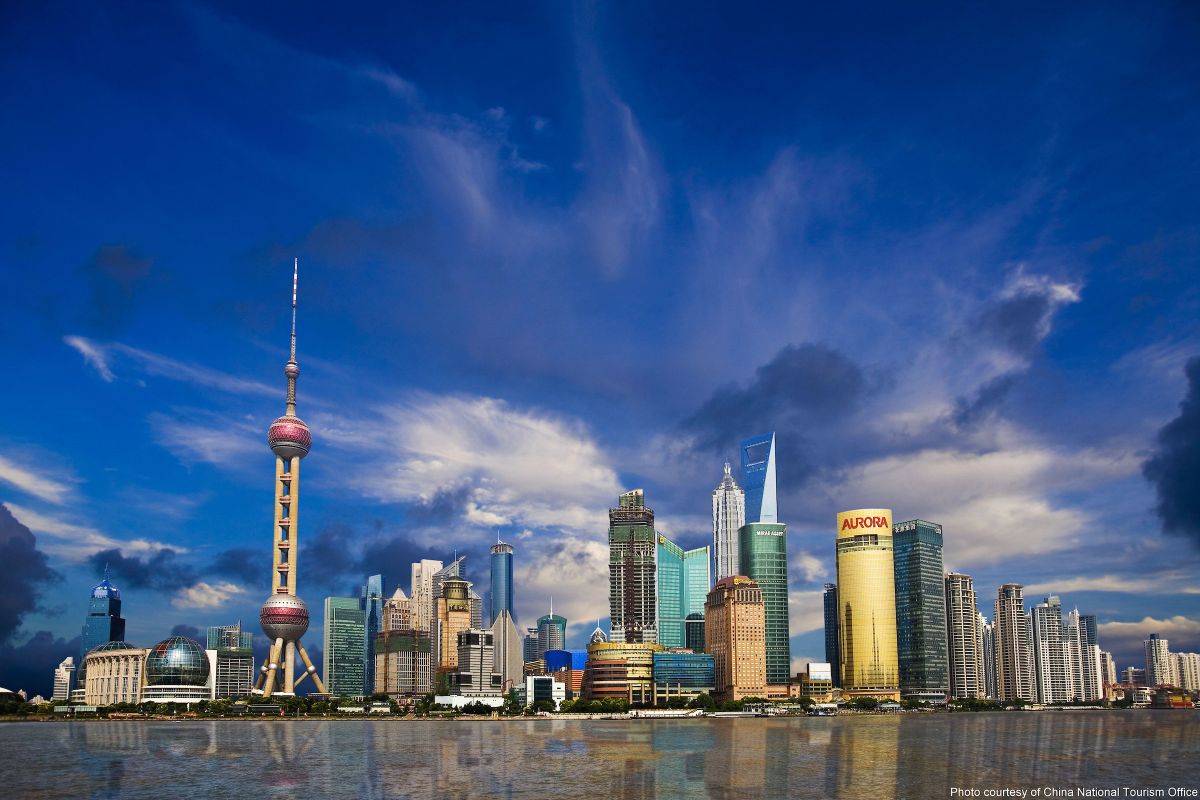
The Bund is Shanghai’s iconic waterfront and the symbol of the city for hundreds of years. On the Bund side of the river, the colonial architecture offers an authentic taste of old Shanghai. Go across the water to Pudong and witness the skyscrapers rise up to create a futuristic skyline.
Stop by the leafy French Concession to see an eye-catching mix of wide, tree-lined streets and classic European-style buildings, wander among the crowds and uncover hidden gems in the trendy boutiques.
Take a day trip to see the ancient water towns close to Shanghai. Stroll along the old streets and explore the many ancient bridges crossing its canals, or take a boat ride to discover more of the city’s unique character and charm.
Chengdu also offers you the chance to discover an almost never-ending array of tasty Sichaun cuisine. In fact, the city was recently declared a UNESCO City of Gastronomy.
Along the old alleyways that line the city, locals are very welcoming. As you walk by, you often find the residents sipping tea with friends at shophouses.
Guilin is a short distance from more breath-taking views at places like the Longji Rice Terraces and the charming town of Yangshuo.
Yangshuo is China’s unofficial capital of adventure tourism. The host of outdoor activities on offer include rock climbing, kayaking, caving, rafting and cycling, to which the dramatic karst mountains provide a stunning backdrop.
West Street is the Guilin’s oldest street, its history dating back over 1400 years. Since the 1980s, the street has become a melting pot of the region’s eastern and western cultures. Today, it’s the heart of Yangshuo, and a haven of excellent cafes and restaurants from all over the world.
A cruise along the Li River between Guilin and Yangshuo provides another unforgettable experience. Every bend in the river brings a new and even more beautiful sight into view.
In the east of the province, you find a limestone plateau surrounded by treacherous rivers. Journey to the south and you discover thick tropical forests and jungles harbouring all kinds of flora and fauna.
Yunnan is home to 25 of China’s 56 officially-recognised ethnic groups. In fact, more than half of China’s native plant and animal species live here.
Venture northwest and you find Lijiang. This picturesque town is brimming with winding narrow lanes, mountain streams, ancient stone bridges and traditional timber houses. It was developed around a unique system of waterways which channel water from the mountains into courtyards. 350 bridges of varying sizes were built around the town to allow the locals to move freely. Lijiang was declared a UNESCO World Heritage Site in 1997.
Lijiang also plays host to Tiger Leaping Gorge. At 12,795 feet deep, this canyon is perhaps the deepest gorge in the world, and trails here offer some of the most awesome scenery on the planet.