
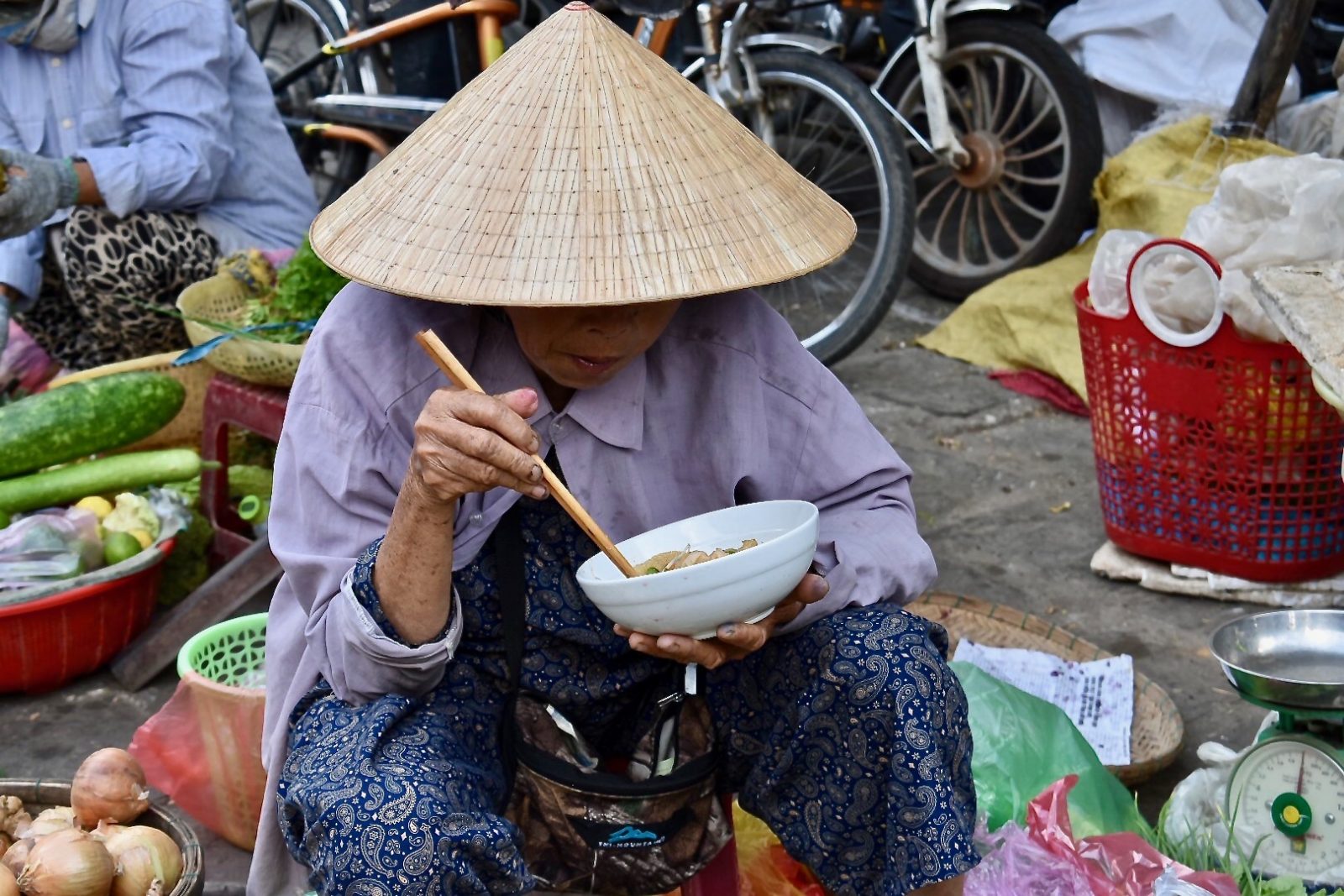


The capital is a street eater’s paradise, with a host of options to let you eat like a local. Many of the dishes feature aromatic fish sauce, lemongrass, chilies, cilantro and other fragrant herbs.
Hanoi is the perfect place to explore on foot. Watch the locals every morning around 6am as they practise their daily Tai Chi around Hoam Kiem Lake and in the many parks around the city, or sit on one of Hanoi’s famous tiny blue plastic chairs spilling out onto the streets to eat some of the street food.
Some say Hanoi is “an old-fashioned city” with many elegant parks, low-rise buildings and an area called the Old French Quarter, all of which are brimming with old-world charm.
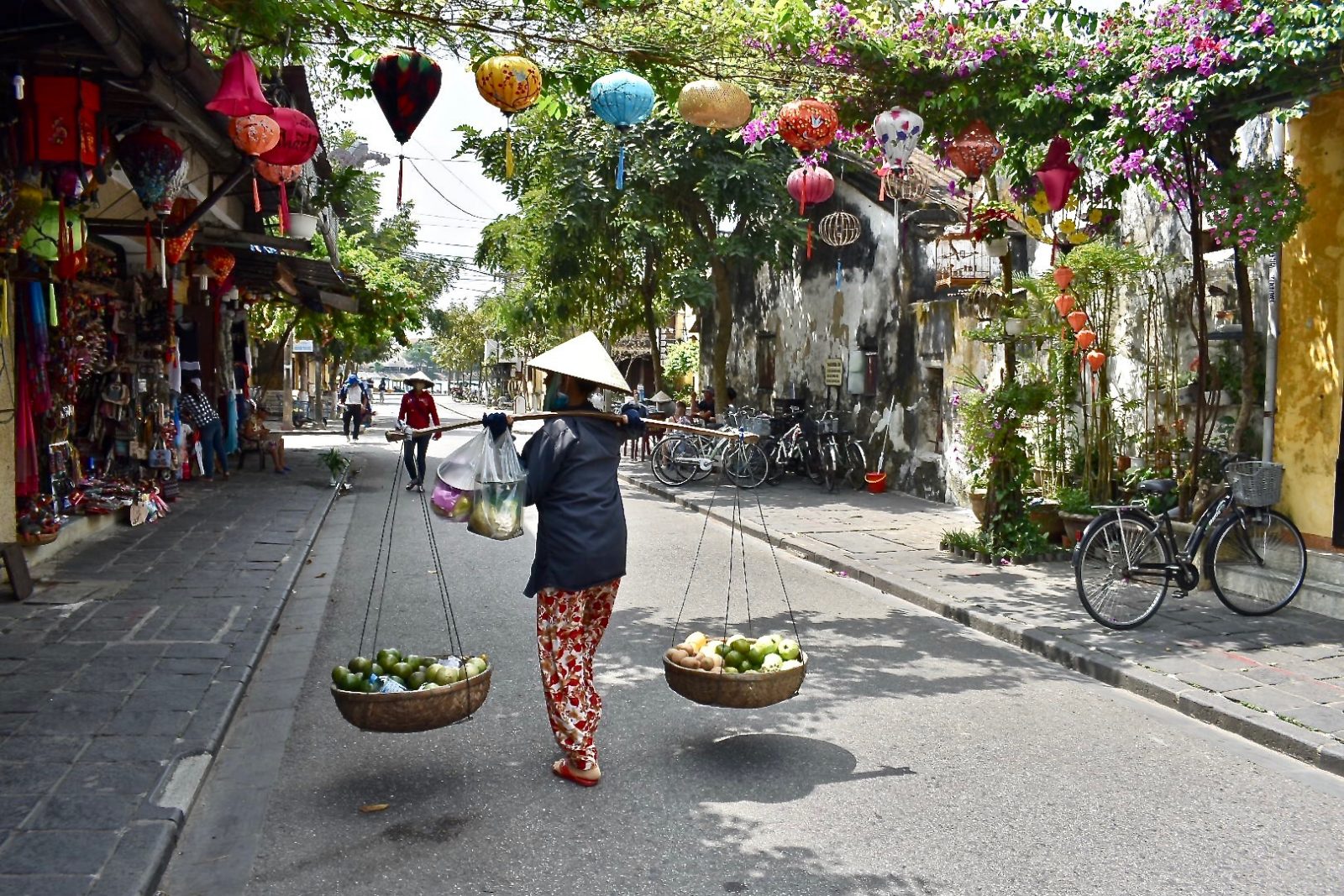
The Old Quarter brings to life what many people imagine Hanoi to be. Here, houses cram into narrow alleyways which still take the names of the goods once traded here in abundance (such as Silk Street). Street vendors sell fresh fruit, vegetables, meat, and fish from baskets on bamboo sticks.
Whilst in Hanoi visit the Ho Chi Minh Quarter, and see the mausoleum of the father of modern Vietnam, Uncle Ho and some of the many temples and pagodas such as The Temple of Literature.
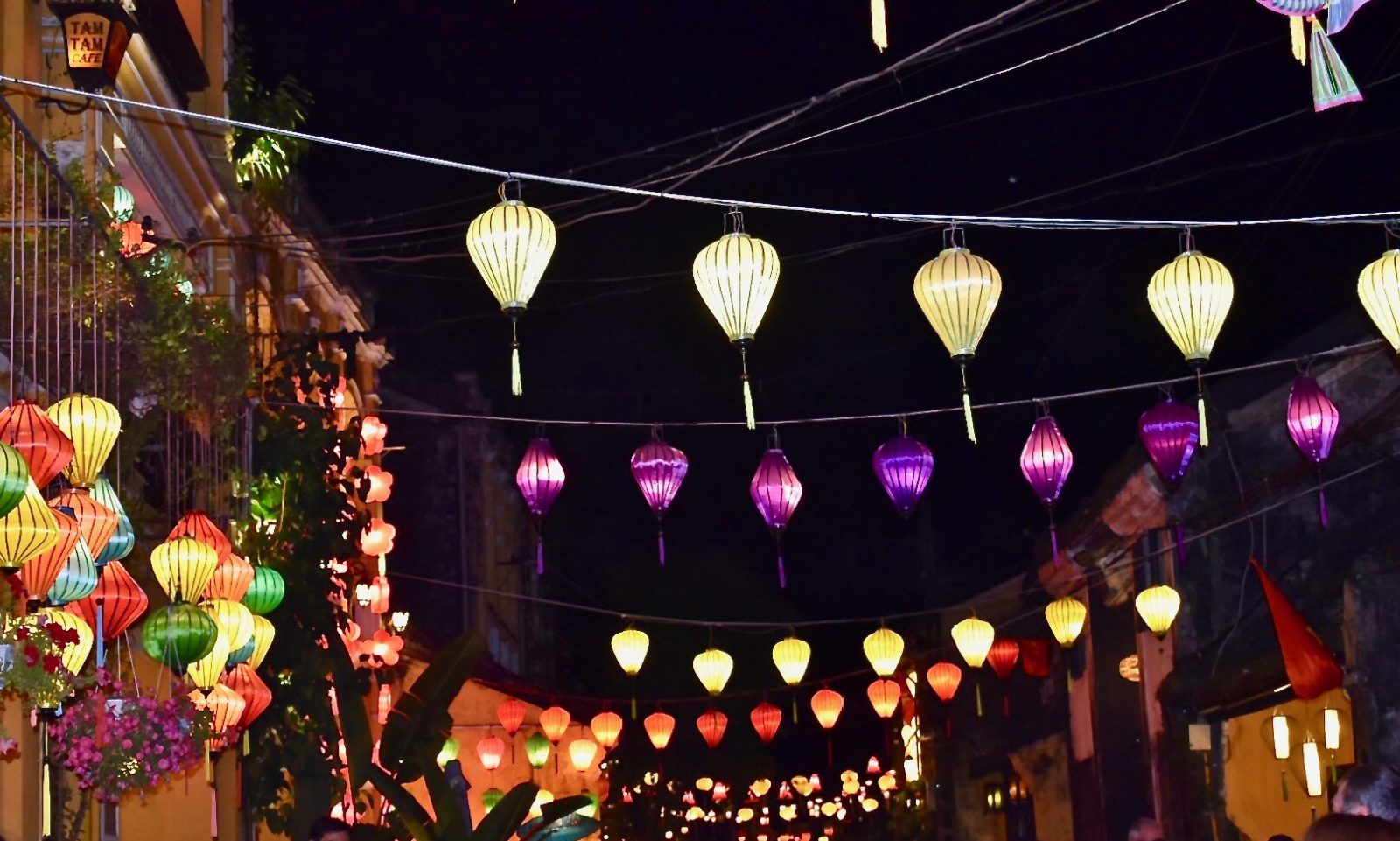
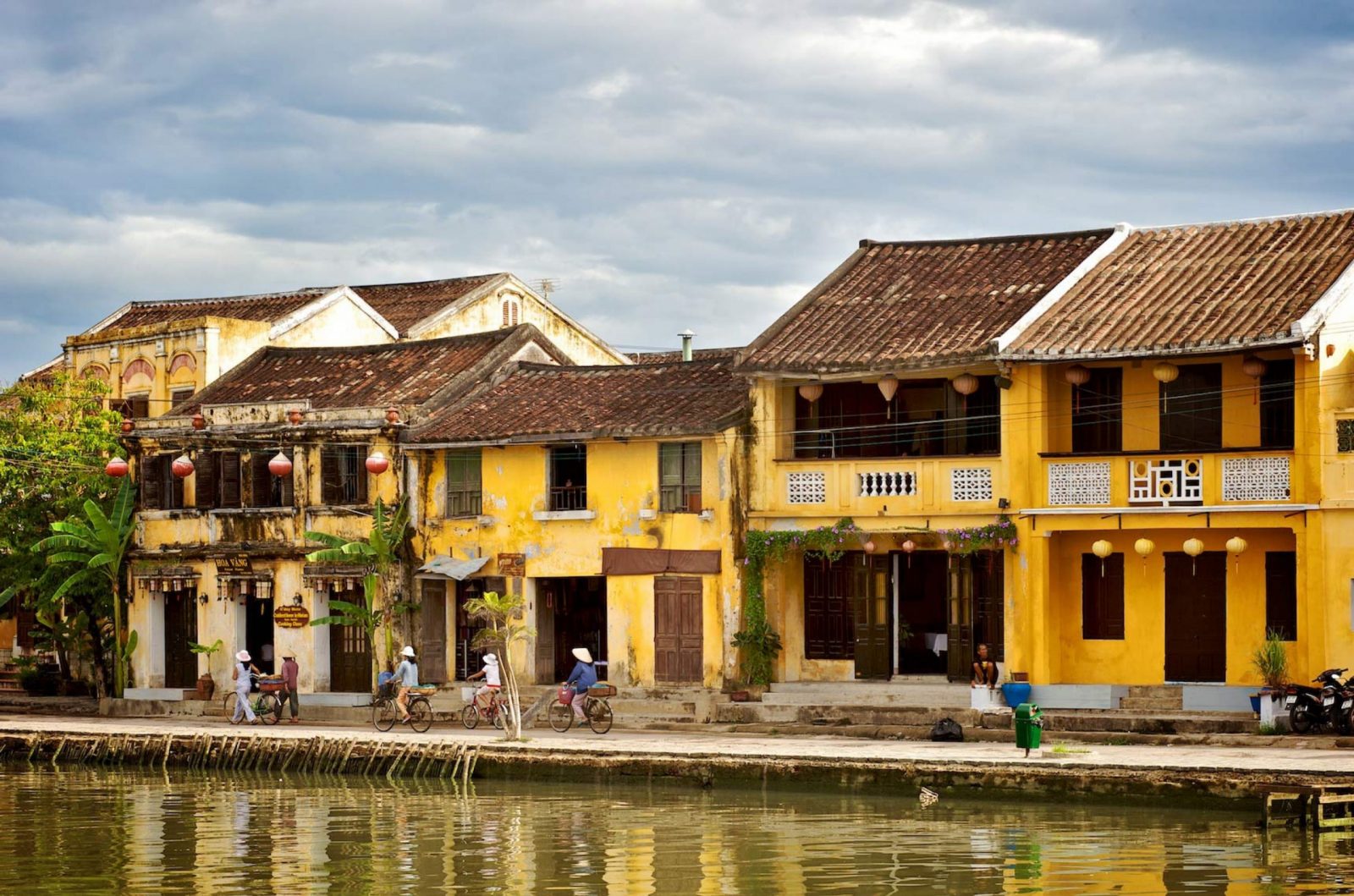
A stroll through the town is akin to taking a walk through history itself. As you wander the narrow streets of this ancient seaport, devoid of traffic, this evokes a vision of Hoi An during the 18th century, when it was one of the busiest trading ports in Asia.
Chinese, Japanese and European architecture bear witness to the cosmopolitan past, dating back to the early 17th century. The UNESCO-recognised town harbours countless alleys with a wealth of temples and ancient homes. Here, you also find a wealth of charming local cafes and restaurants, galleries, handicraft and souvenir shops.
Hoi An has become well known for its tailor shops with some excellent bespoke tailors.
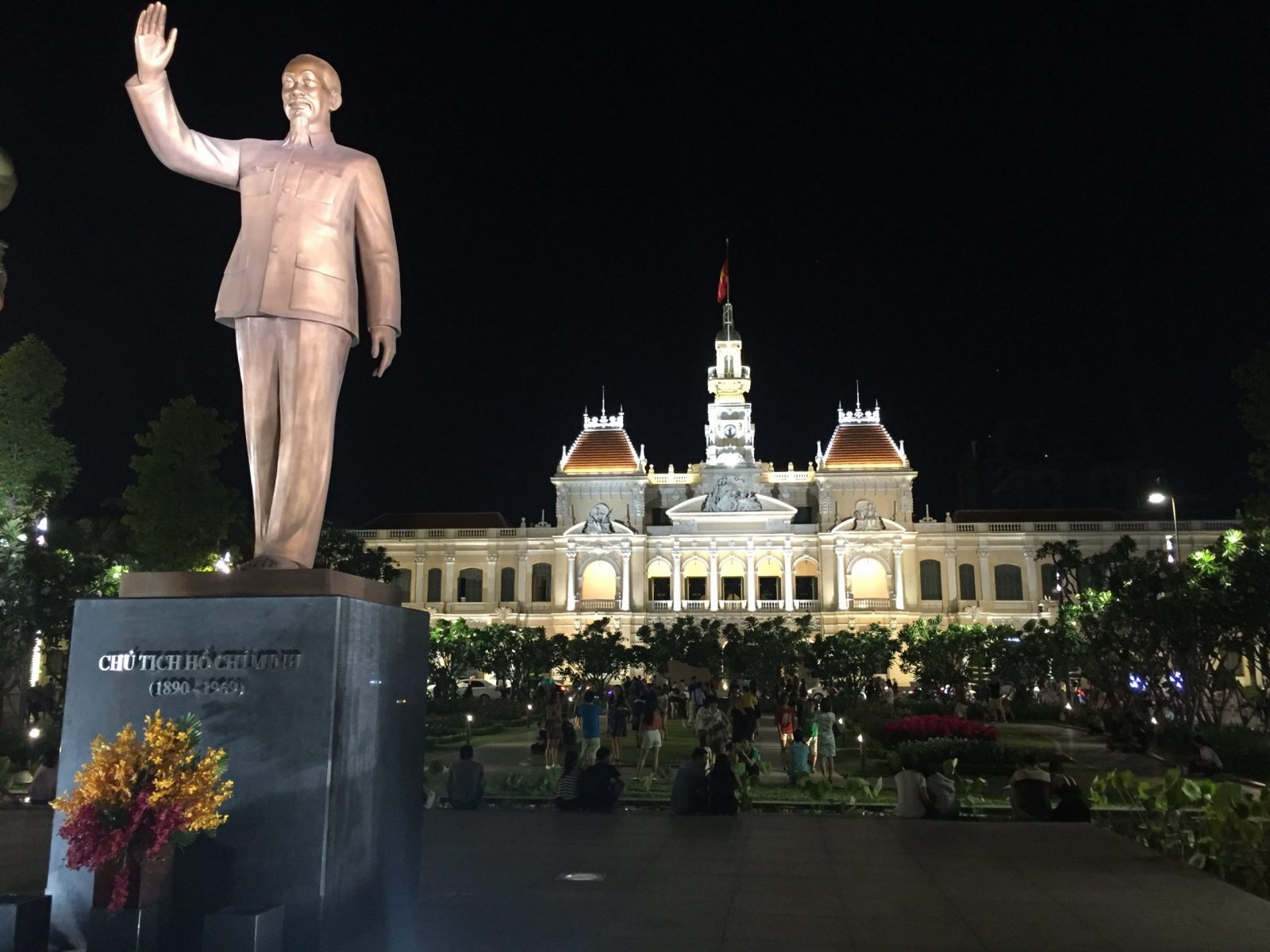
The streets are alive with thousands of motorbikes whizzing in between the traffic, all vying for space with cars. Ho Chi Minh City brims with wide-open parks, boulevards and the Saigon River, and it resonates with the French colonial influence of a bygone era. This place charms on every level.
Remnants of past conflicts with the French and the Americans mark different spots throughout the city as a constant reminder of the horrors of war.
The iconic Cu Chi tunnels (one hour outside of Ho Chi Minh) were first built as a defence against the French, and were later expanded during the war against the Americans. It was from these tunnels that the North Vietnamese waged their guerrilla warfare. A visit here gives you real insight into their skill and resilience, as well as how they lived during wartime.
The War Remnants Museum is a harrowing, but gripping account of the Vietnam War. As its original name (Exhibition House for US and Puppet Crimes) implies, the information here is arguably one sided. Yet the documents and artefacts within the museum tell their own story.
Take a city tour and visit some of the other cultural and historical points of interest. For example, the Central Post Office is an example of French colonial architecture. The Saigon Notre Dame Cathedral was built in the late 1880s by French colonists. Cao Dai Temple and Binh Tay market are also fascinating local attractions.
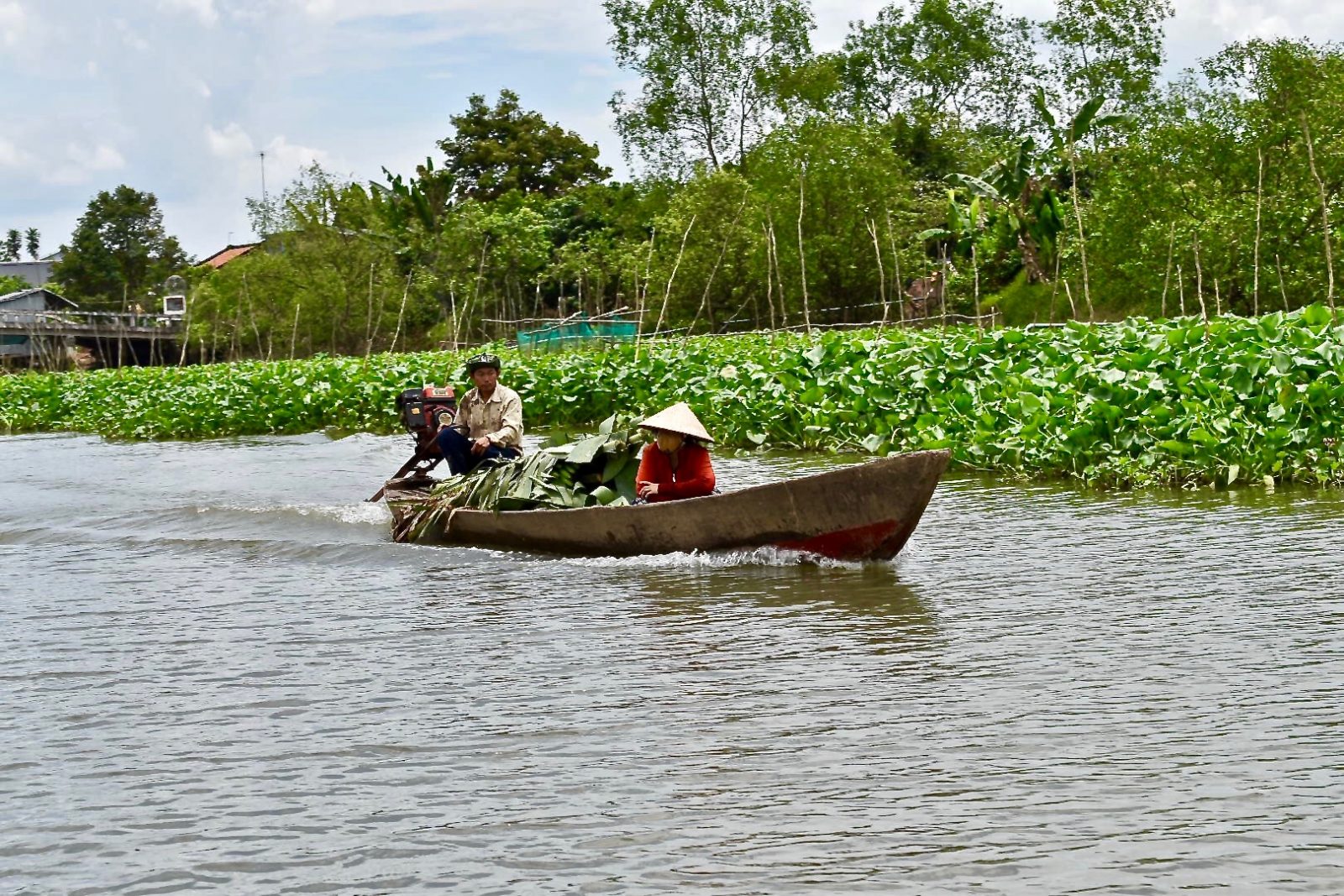
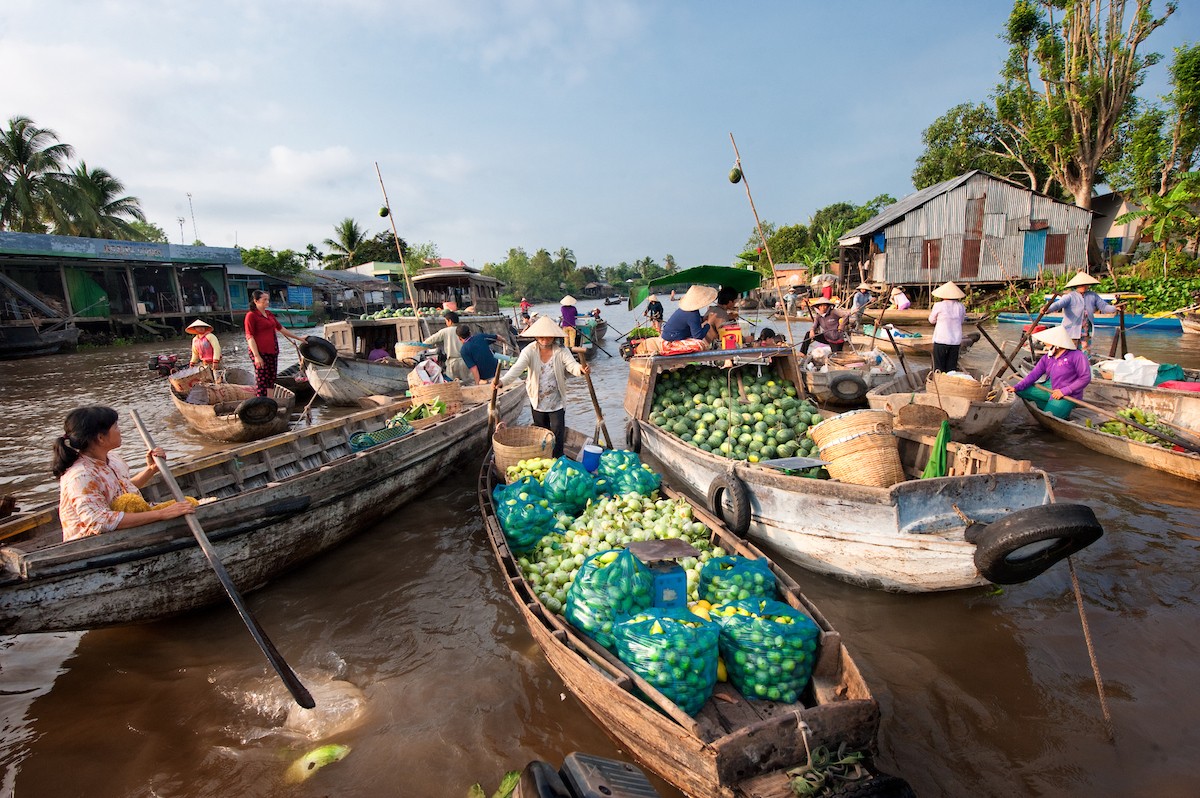
A visit to this region gives a fascinating insight into traditional river life. It’s possible to visit the delta on a day trip from Saigon, or if you prefer to delve deeper, you can stay overnight. It’s also possible to travel by cruise boat all the way to the temples of Angkor Wat in Cambodia.