

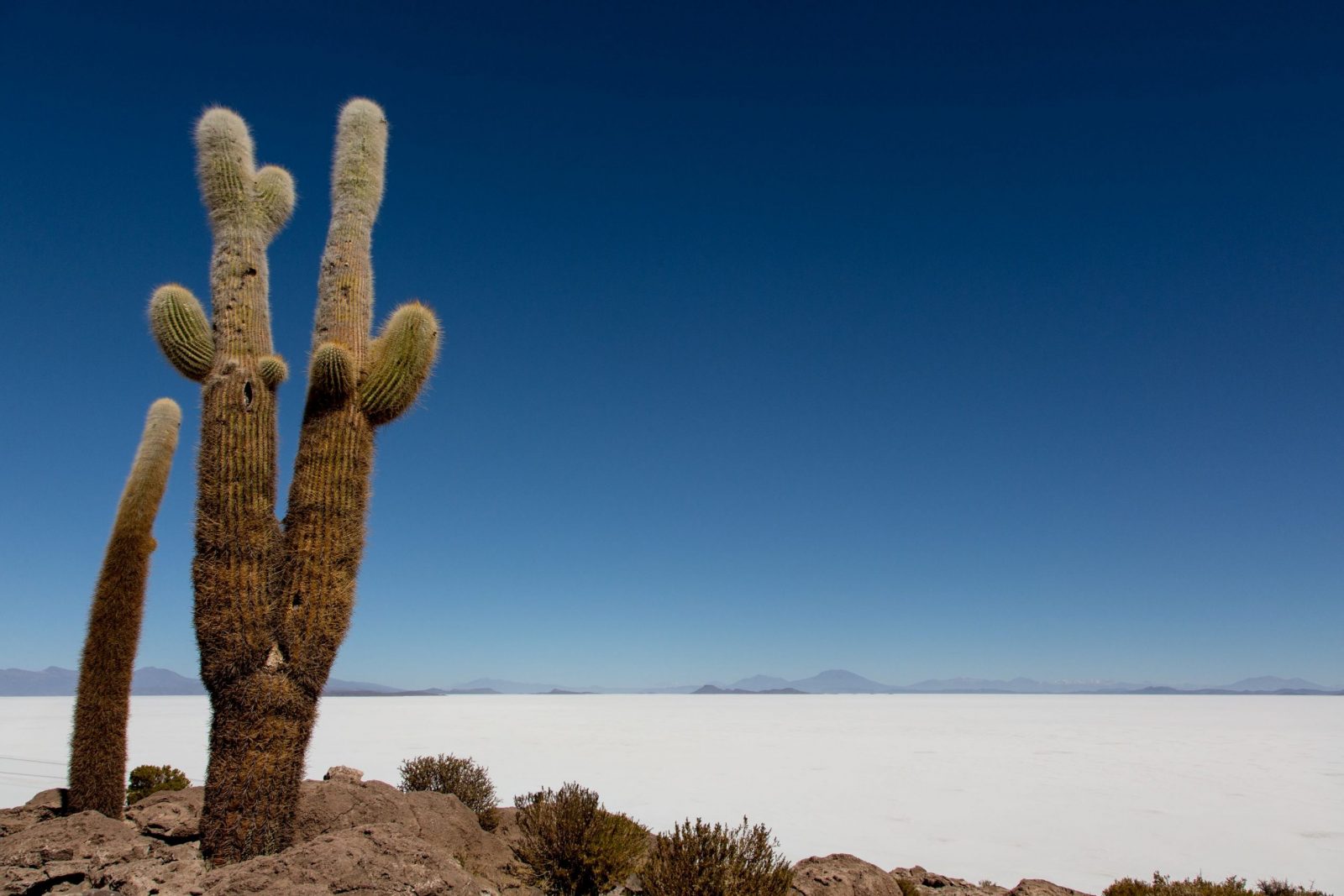
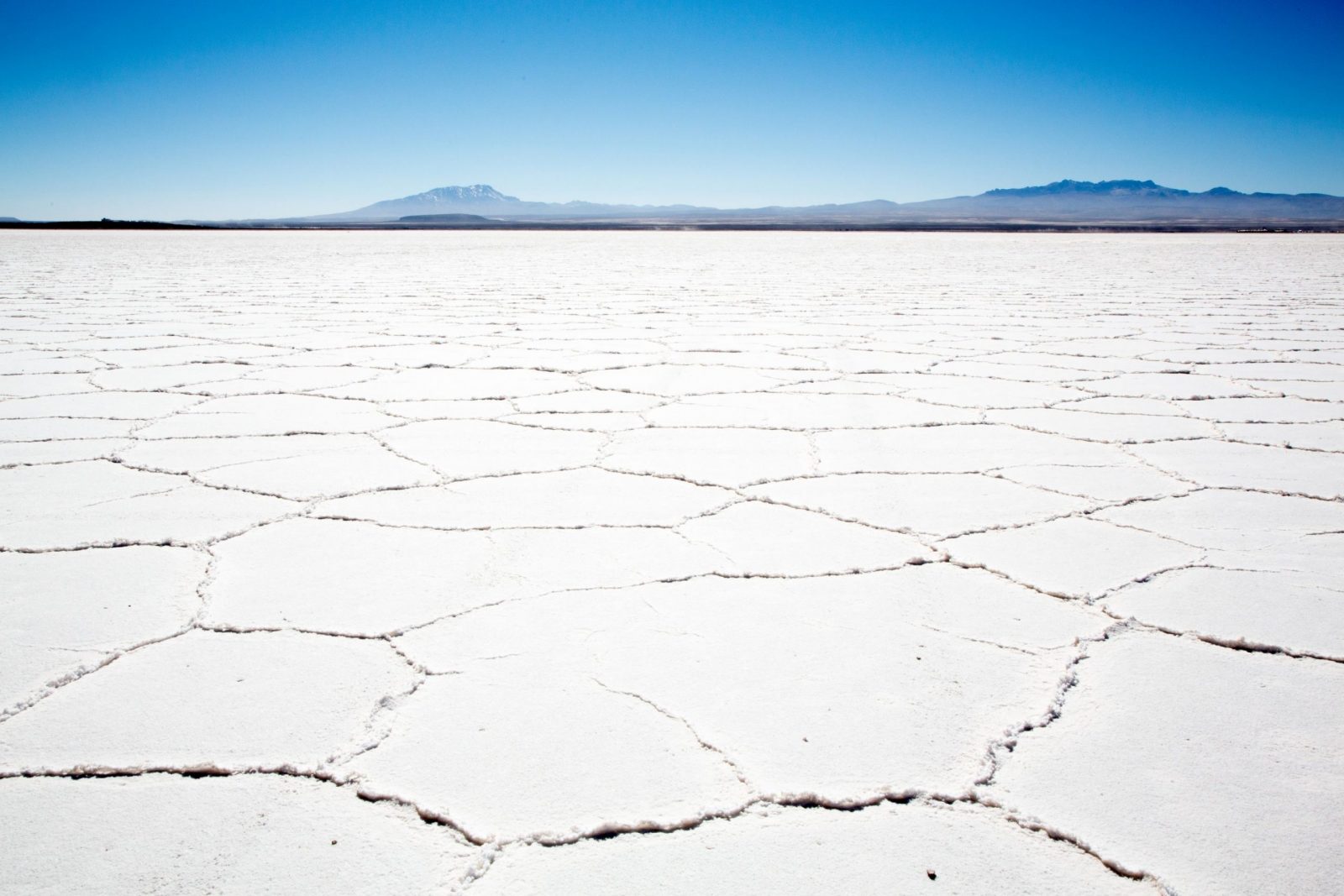
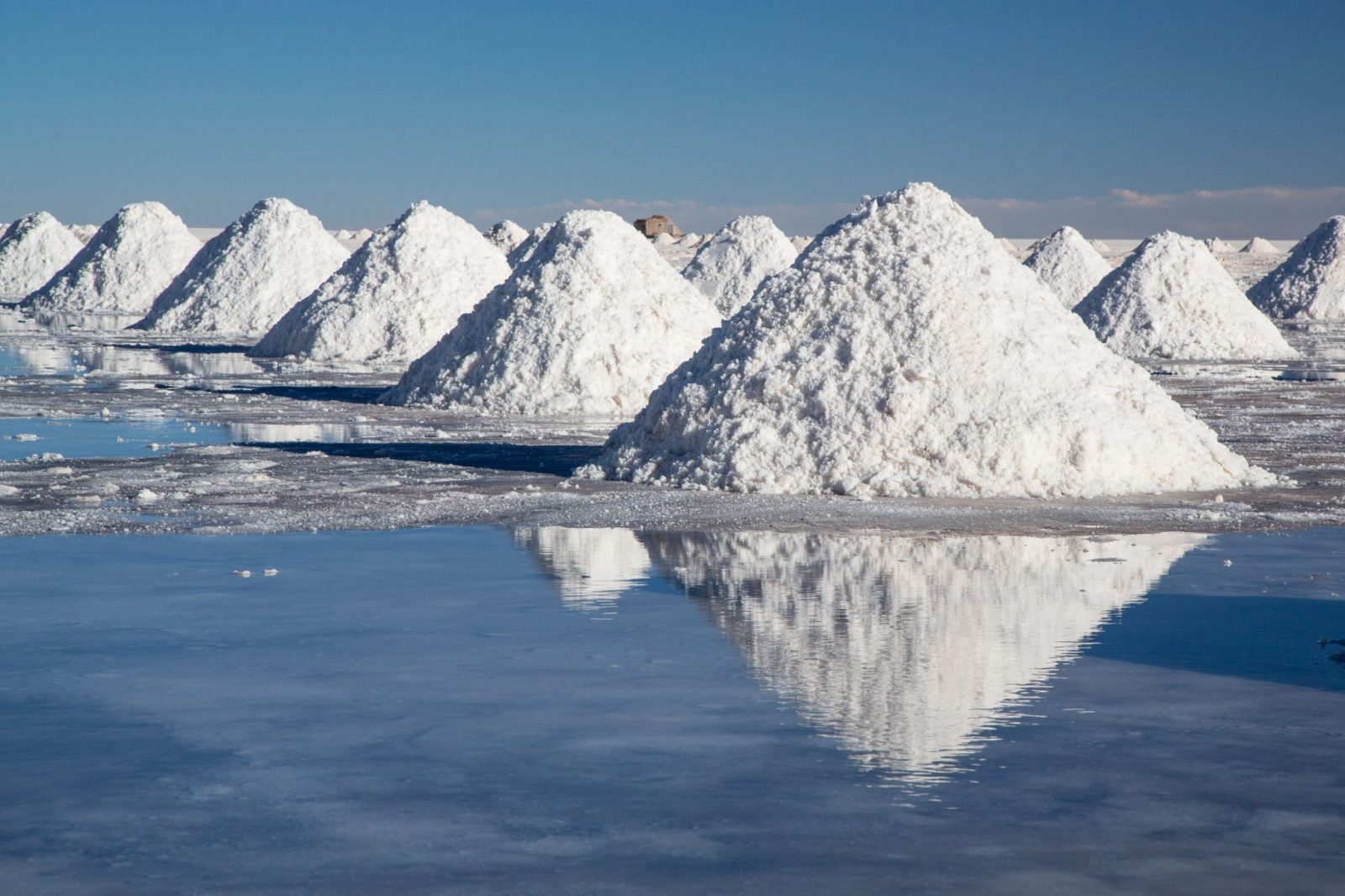
A bright blue sky, dotted with many peaks, surrounds the huge, featureless white expanse for as far as the eye can see. Take a tour of Salar de Uyuni to see this natural wonder for yourself.
A bright blue sky, dotted with many peaks, surrounds the huge, luminous white expanse. Take a tour of Salar de Uyuni to see this natural wonder for yourself.
Take a tour of these salt flats during dry season (April-November) to explore all corners of this luminous landscape, or visit in wet season (December-March) to see the area transformed into a huge, dazzling pool.
As part of the tour, visit the vast multi-coloured lagoons, which are known for their amazing green, red, and blue water.
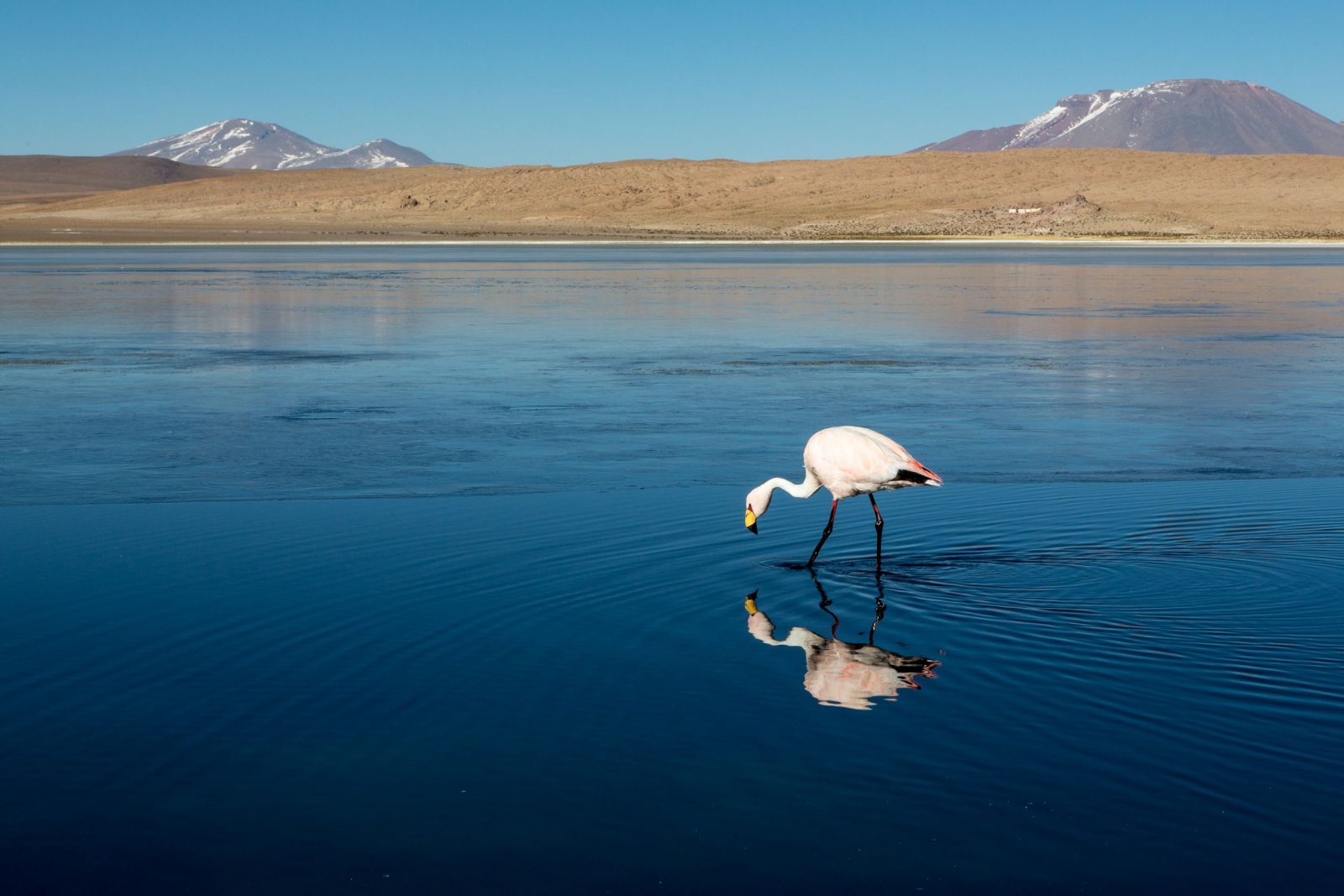
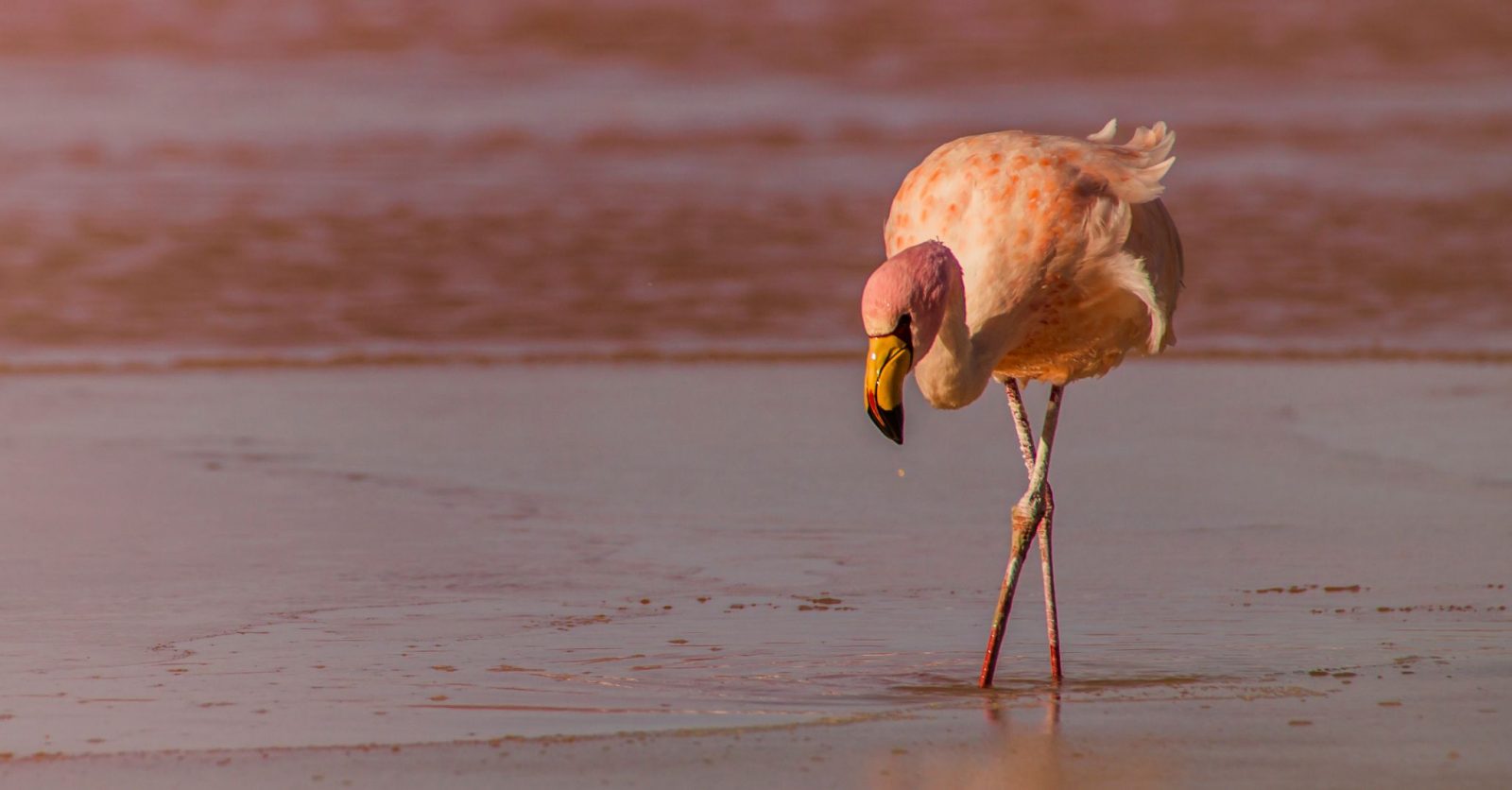
Under the terms of the Ramsar Convention, established by UNESCO in 1971, the Laguna Colorada is a wetland area of international importance, due mainly to the 30,000 Andean flamingos that live here. As a Ramsar Site, Laguna Colorada is the most significant site of its kind in the region. Take a tour of the area for the chance to view the beautiful flamingos in all their glory.
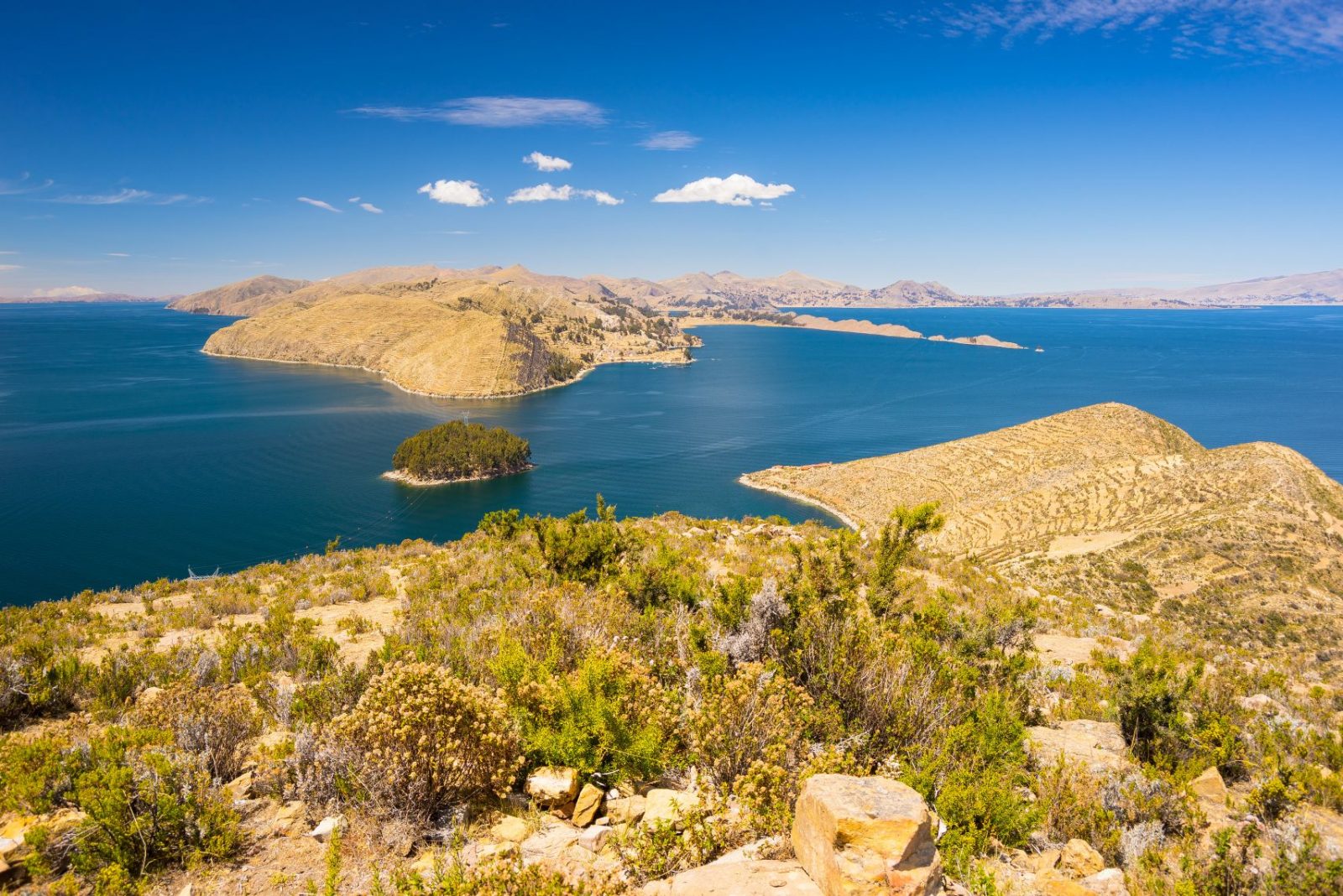
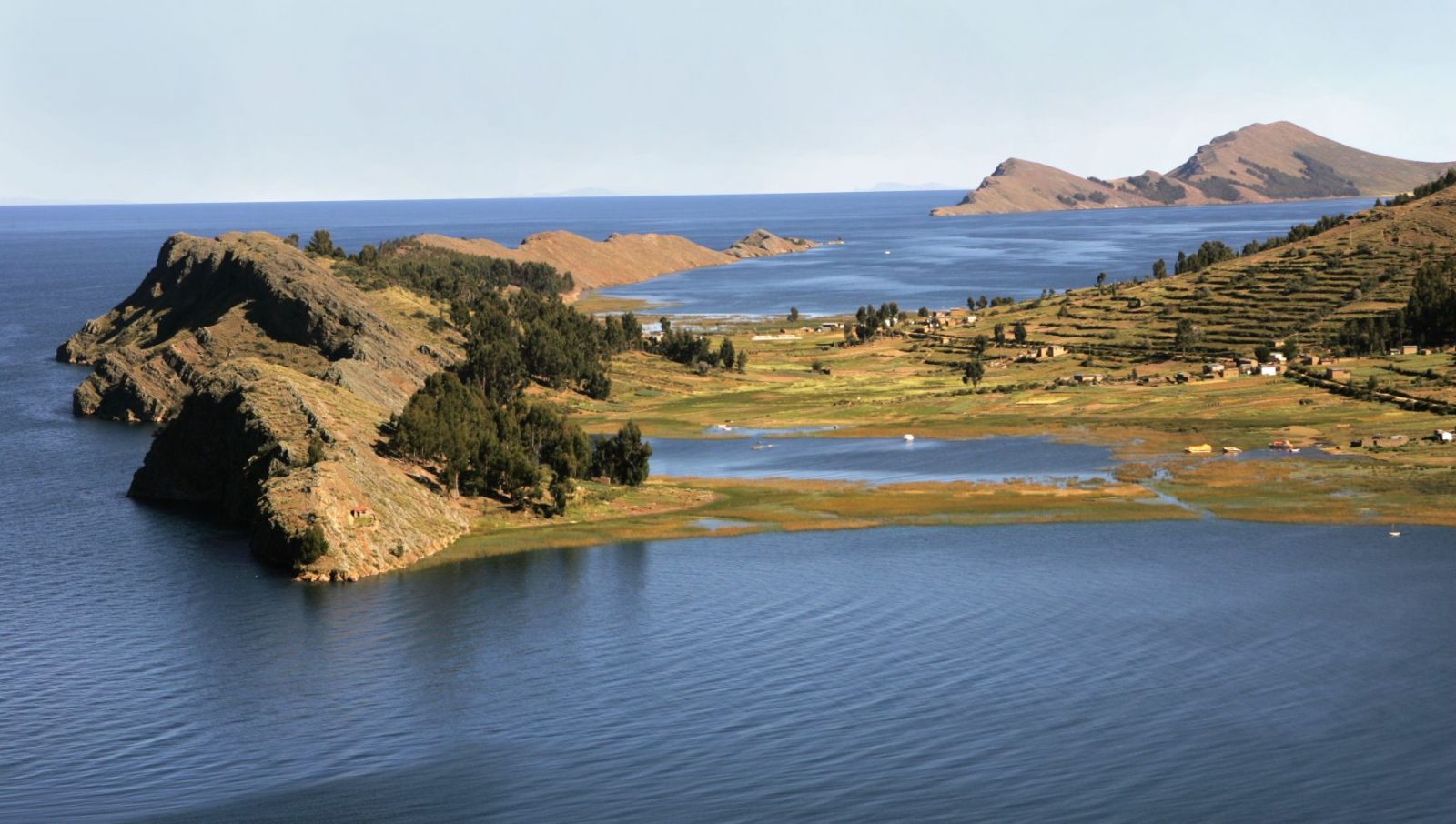
Both the Incas and the Aymara people considered Lake Titcaca to be sacred. You find proof of this in the ruins on the Isla Del Sol and Isla de la Luna. On the Isla Del Sol’s south side, you discover a stone staircase leading to a sacred fountain.
You also find the Valley de la Luna (Valley of the Moon) in La Paz. This is formed from clay and sandstone canyons, which in turn are the result of erosion by the area’s strong rain and winds.
La Paz is home to the longest and highest urban cable car system in the world. As well as offering stunning views, La Paz’s “subway in the sky” is a quick and easy way to get from place to place. It is also a great spot to take photos that you’ll treasure forever.
Charming Calle Jaen is a street featuring brightly-coloured houses dating back to the 18th century. Come here to see one of the best-preserved examples of La Paz’s colonial history.
Visit the bohemian El Alto on Thursday or Sunday to enjoy its huge street market. This is apparently the biggest open air market in South America, at which you can buy an equally large assortment of goods.
Sucre’s high altitude gives it a milder climate. This, combined with its tranquil atmosphere, makes Sucre a great place to relax. Yet its many churches and museums also offer you plenty to do and see.
Sucre’s history is strongly intertwined with that of Potosi, a town famous for its silver mines. This is due to the fact that many influential figures with links to the mines reside in the wealthier capital. For real insight into Sucre’s history, go on a tour of one of Potosi’s mines, and speak with the miners as they work.