
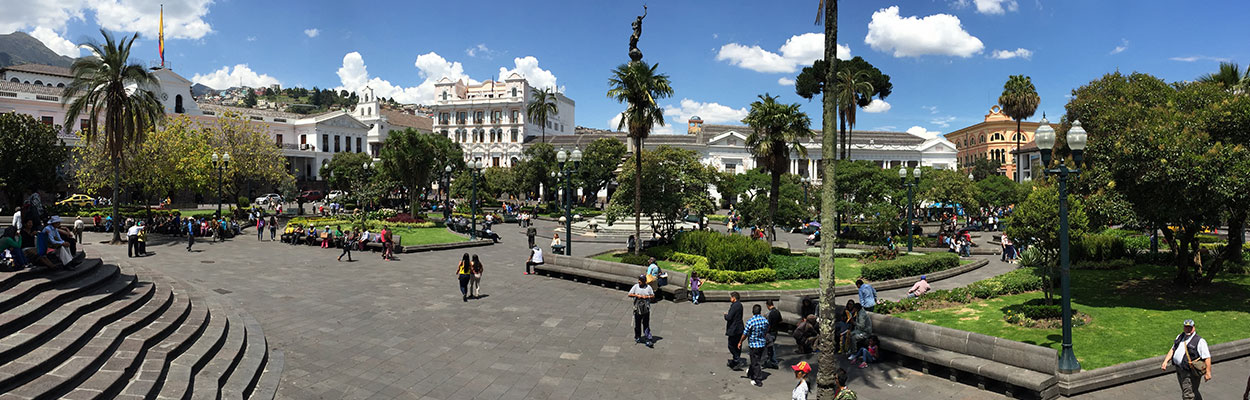
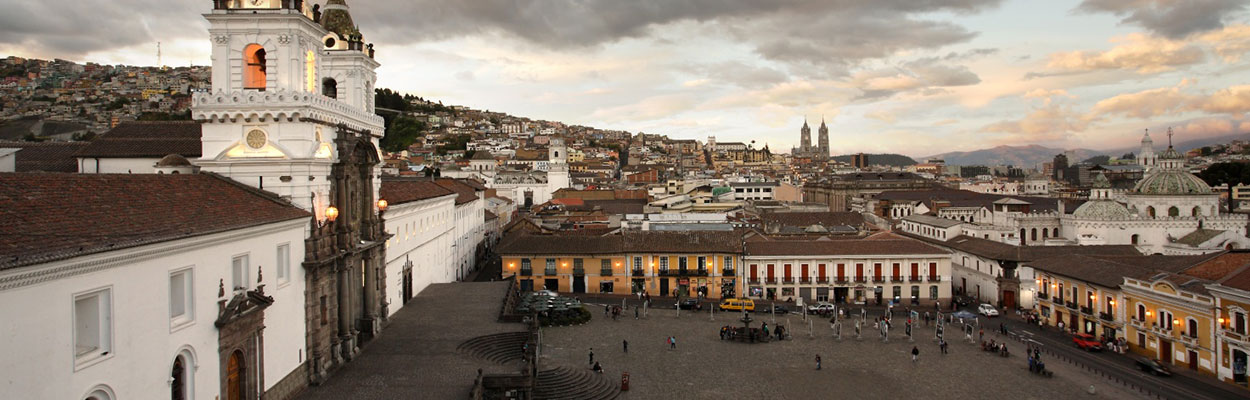
The well-preserved Spanish colonial city, stands at an impressive altitude of 2,850 metres above ground level, making it the second-highest capital in Latin America. Scattered across the steeping slopes of the Andes’ Pichincha Volcano, the striking scenery is the perfect match for the awe-inspiring colonial architecture.
Situated in southern Ecuador’s Andes, Cuenca falls against a mountainous landscape and is surrounded by valleys of varied, rich vegetation. A climb to the top of Turi offers breath-taking views over the city peppered with rust-red roofs and historic churches.
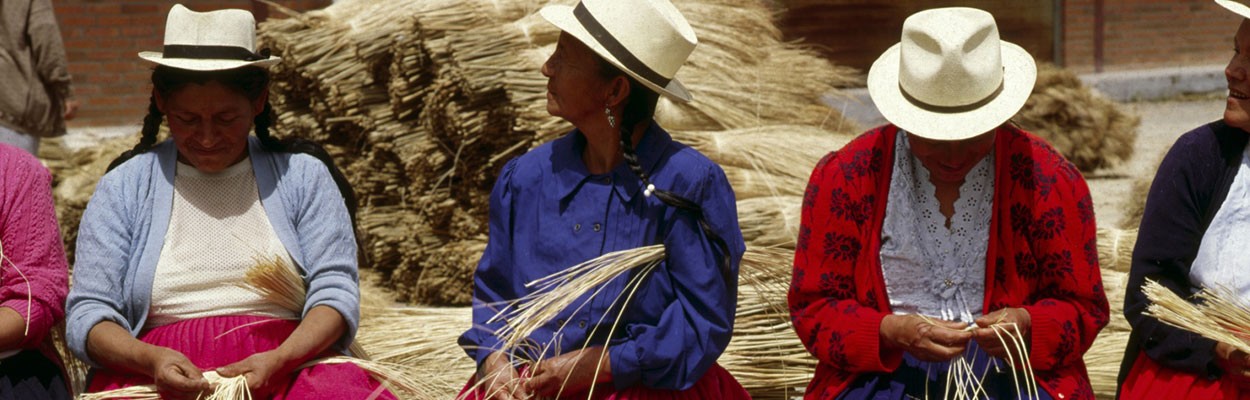
Unlike some of the more remote areas of Ecuador, Cuenca is brimming with eateries, bustling bars and charming accommodation. Explore the city’s myriad museums, art galleries and antique shops. Here, you find the birthplace of the Panama hat, the aptly-named Panama Hat Museum, inside the Paredes Roldan family factory. Come here to discover how the world’s favourite headwear is designed, weaved, shaped, and finished.
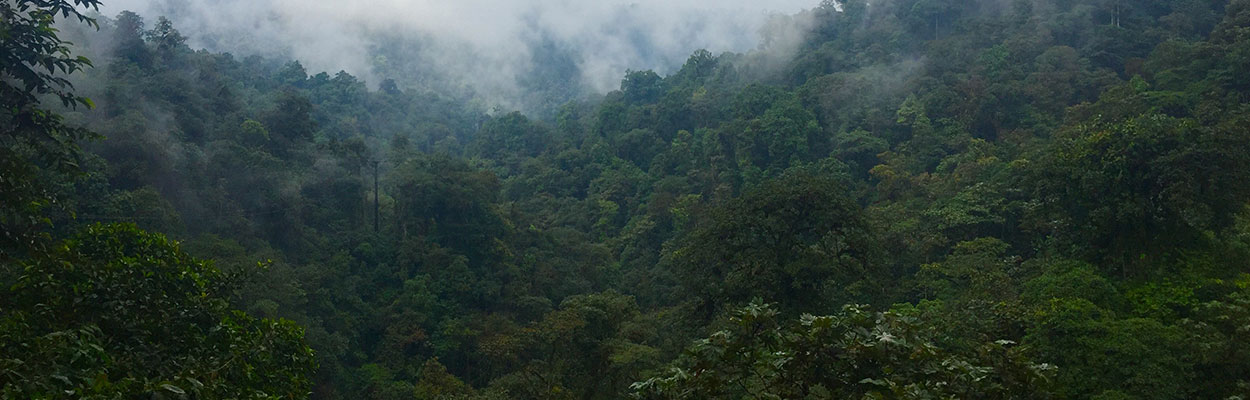
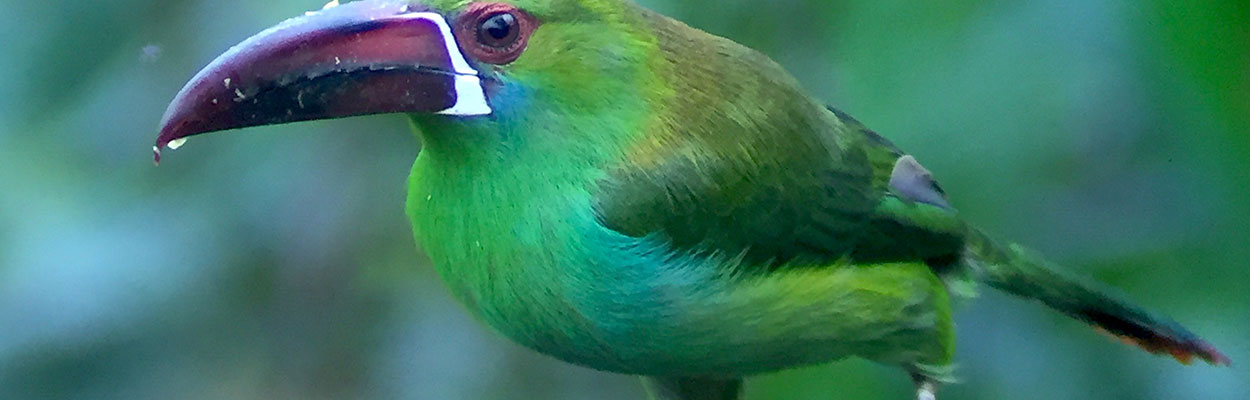
The Ecuadorian Amazon rainforests are teeming with tropical wildlife, including indigenous orchids and other native plants known for their healing properties. Largely untouched by humans, exotic animals such as monkeys, macaws, and river dolphins, thrive, undisturbed, within the most bio diverse space on earth. Adrenaline-fuelled activities are encouraged here, with canoeing, white-water rafting and swimming excursions on offer.
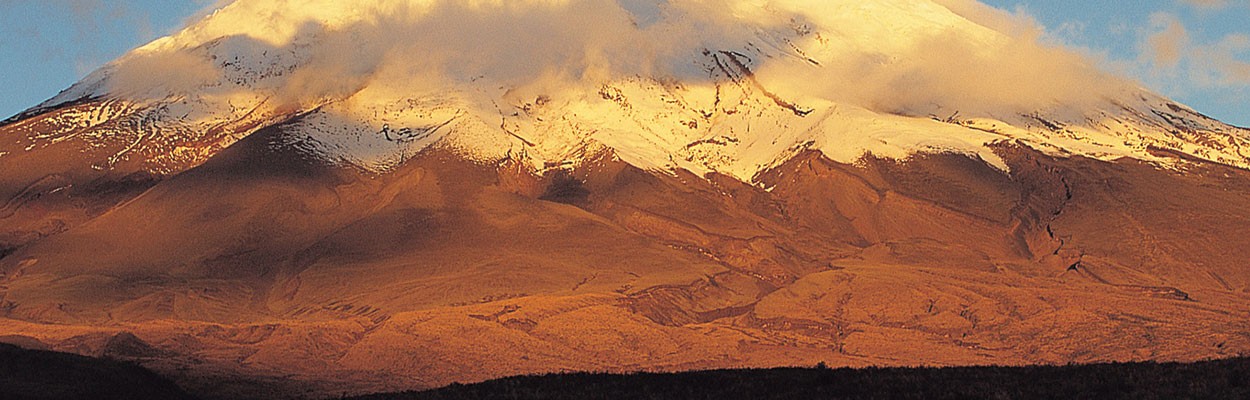
If you’re seeking adventure, you’ll find the challenge of climbing Cotopaxi hard to resist. Standing at almost 5,897m , Cotopaxi is the world’s highest active volcano, and remains snow-capped all year round. A striking backdrop to Cotopaxi National Park, the area is strewn with hot springs, lush valleys and glistening lakes, tamed only by the comfort of old-fashioned haciendas.
While many choose to explore Cotopaxi by foot, horseback riding and mountain biking are exhilarating alternatives. Once you have had time to soak up the supreme sights, wander through the weekly markets and buy crafts to take back home. Outside of the Cotopaxi National Park, the Chimborazo Volcano of Riobamba is the setting for what many consider the most impressive train rides on Earth. After a journey through Riobamba’s stunning scenery, the train makes an arresting descent down the rock face known as The El Nariz del Diablo (‘The Devil’s Nose’).
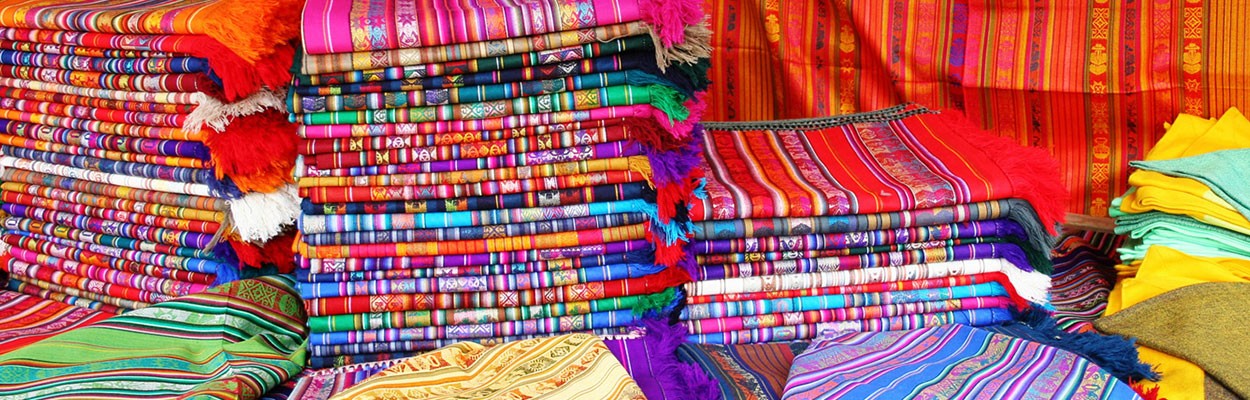
Pick up a keepsake of your time in Ecuador at the central Plaza de Ponchos Otavalo Market, where indigenous locals sell their eclectic array of vibrant handicrafts, including rugs, tapestries, and wooden goods.
Because the Amazon covers such a wide area of Peru, the jungle is accessible from two points. The most popular gateway is Puerto Maldonado, a south-eastern river town and the capital of the Madre de Dios Region. Puerto Maldonado comprises the Tambopata National Reserve and Madre de Dios Reserve, while Manu National Park is also close by. These parks offer plenty of opportunities to see wildlife up close for a true jungle adventure.
Sitting in the Great Plains of the Amazon Basin in northern Peru, Iquitos is another gateway to the Amazon wilderness. Despite being Peru’s sixth-most crowded city, it’s impossible to reach by road. As a result, the best way to experience its surrounding jungle is on a cruise.
As you sail along its twists and turns, the river takes you deep into the Pacaya Samiria National Reserve. Bursting with wildlife and home to ancient tribes, this protected area is long thought to be the jewel in northern Peru’s crown.